The old frontier was horizontal.
It moved across rivers, through passes, over plains, into mining camps, along rail lines, and toward the bright rumor of something not yet possessed. It asked what could be reached, crossed, claimed, named, surveyed, hauled, or built in a land that still held more distance than agreement. Colorado was shaped by that frontier. The state learned early that beauty could be harsh, that weather had authority, and that ambition without systems quickly turned theatrical.
But frontiers do not disappear simply because maps fill in.
They migrate. They change their pressure. They move from land into systems, from route-finding into problem-solving, from physical exposure into technical exposure. Colorado’s deepest modern story is not that it escaped its frontier past. It is that the frontier moved upward — into aerospace, into research, into energy systems, into quantum science, into advanced manufacturing, into the disciplined work of making difficult things function under real conditions.
Colorado did not stop being a frontier state. It became a state where the frontier is measured less in miles than in complexity.
That is why the state feels so unusually coherent when you look at it closely. The mountains, the campuses, the laboratories, the startup culture, the national labs, the public imagination around space, the seriousness around energy, the sense that weather and terrain still matter — all of these are related. They are not random modern additions draped over a western postcard. They are a continuation of the old western bargain: if you want to thrive here, you must learn how to work with scale.
From camp to system
The original frontier story has always been easier to romanticize. Prospectors, surveyors, scouts, wagons, telegraph poles, timber, ore, railroad tracks, cabins, claims, strikes, failures, and ghost towns: the imagery comes ready-made. It has dust on it. It has faces. It has drama you can stage.
The new frontier is harder to picture, and therefore easier to underestimate. It lives inside laboratories, integration facilities, mission planning, software, clean rooms, university partnerships, startup incubators, testing protocols, standards work, supply chains, and energy models. The romance is still there, but it is distributed. It does not belong to one man on one horse. It belongs to teams, institutions, systems, and the slow accumulation of competence.
That change matters. It says something profound about Colorado’s maturity. The state’s older ambitions were often extractive. They depended on taking what could be pulled from the ground and moved to market. The newer ambitions are more synthetic. They depend on putting things together: knowledge with capital, research with manufacture, software with hardware, public need with technical design, weather with resilience, and imagination with accountability.
In that sense, the frontier did not simply move upward into the sky. It also moved inward, into the intelligence required to build systems that can survive contact with reality.
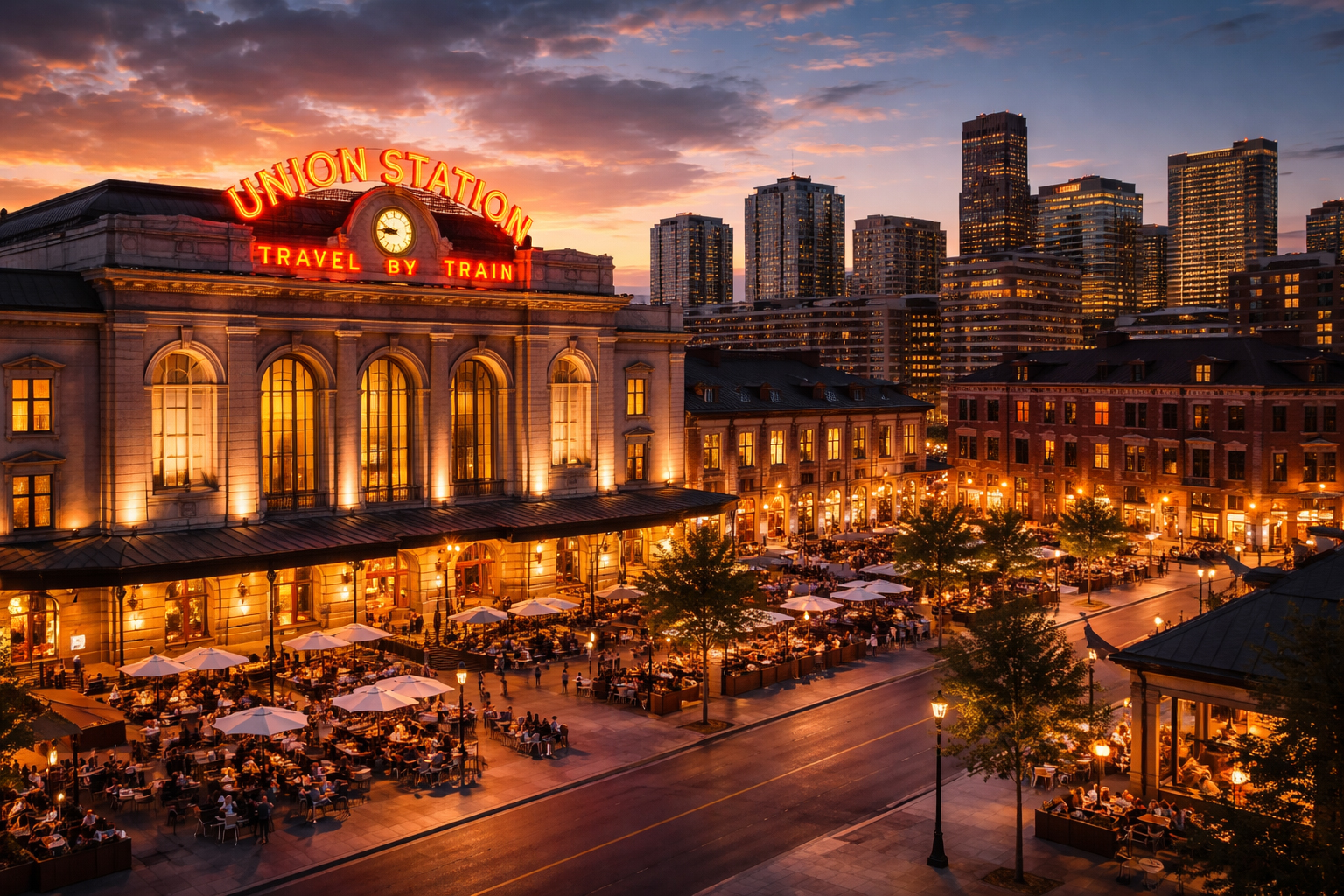
The mountain state learns vertical ambition
There is something almost inevitable about Colorado’s attraction to aerospace.
A state defined by altitude, atmosphere, exposure, and the emotional authority of the sky was always likely to develop an upward imagination. But aerospace in Colorado is not interesting merely because the setting makes a good metaphor. It is interesting because the state built the harder parts required to make the metaphor credible. Companies, research institutions, suppliers, federal relationships, universities, and public-facing organizations all helped turn “space” from an attractive idea into a real operating culture.
Once that happens, a state changes. Space is too demanding to remain decorative. It trains a place to tolerate long timelines, technical discipline, mission thinking, and collective precision. It also raises the reputation of everything near it. A state that can do space begins to look more plausible in other difficult domains: quantum, advanced manufacturing, energy systems, bioscience, secure communications, and the broad category of deep technology that requires more than good branding and office furniture.
Space is not important because it sounds futuristic. It is important because it proves a region can behave seriously inside very unforgiving systems.
Colorado understands that almost instinctively now. The state does not merely market sky. It markets competence under sky. That is a more durable prestige.
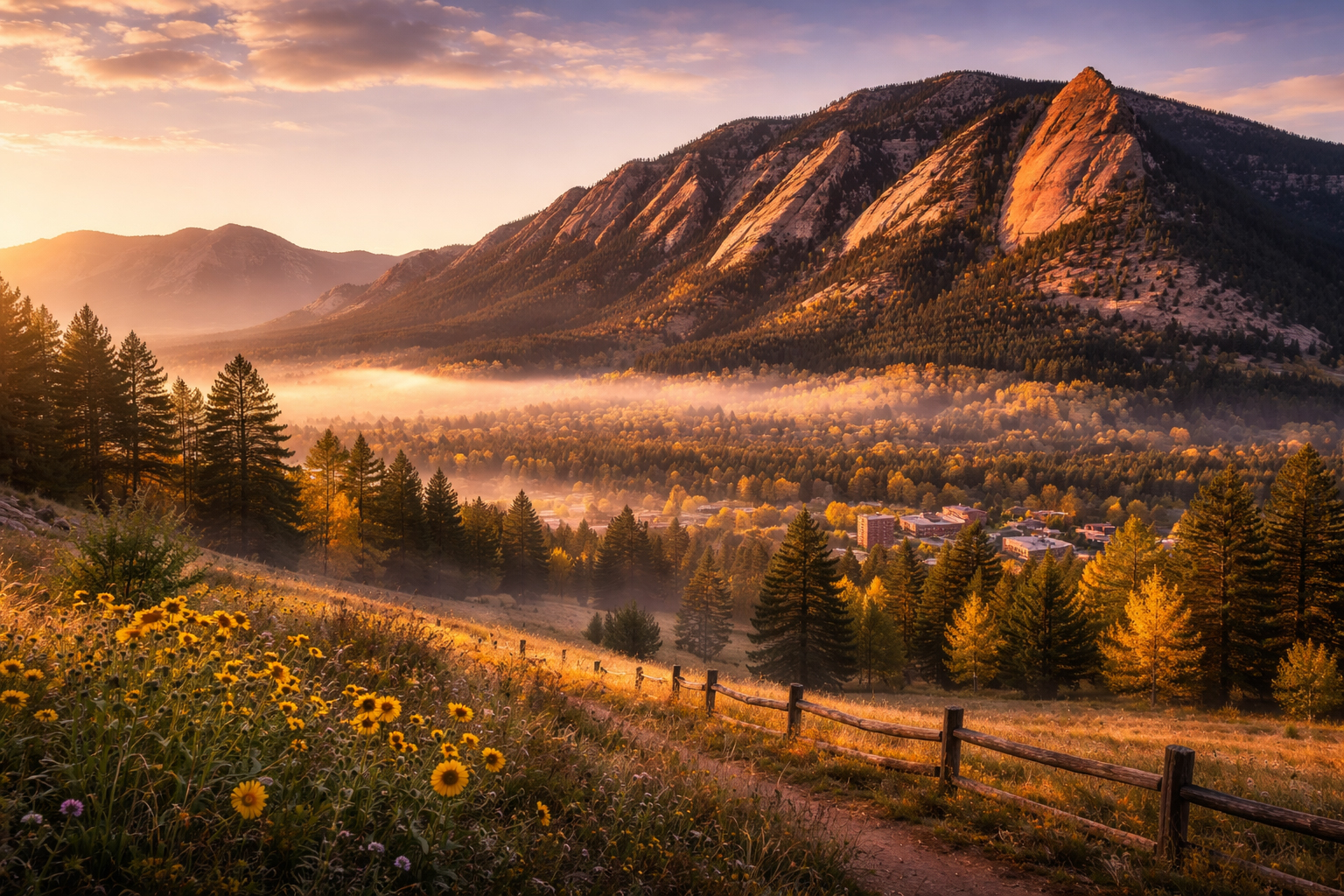
The frontier becomes thought
Not every frontier is a physical edge. Some are intellectual edges: places where people are trying to make the next form of order out of uncertainty.
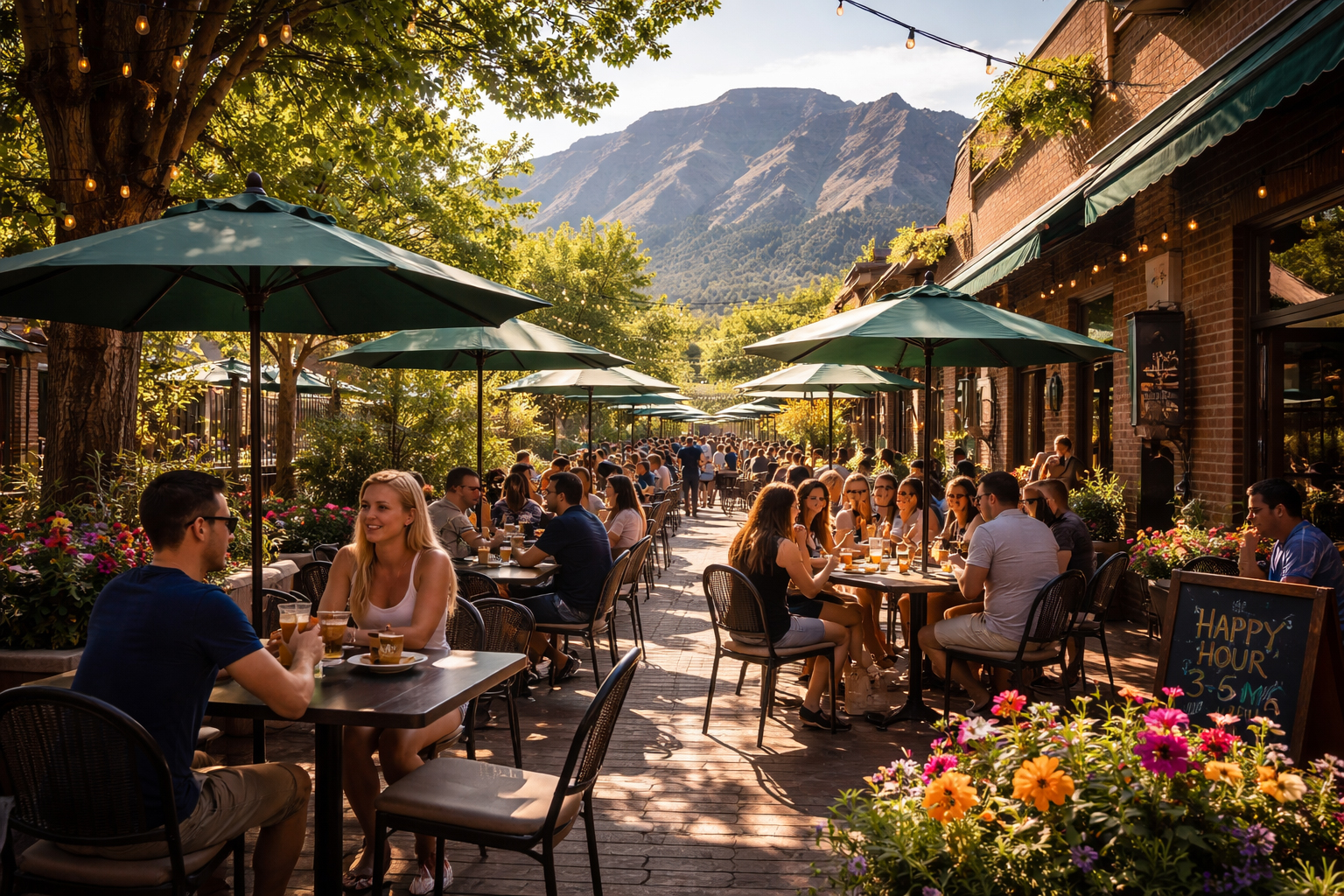
Boulder is perhaps the clearest expression of that in Colorado. The city still enjoys its reputation for daylight, mountain nearness, and a physically enviable daily life. But the deeper reason it matters is that it gives the state one of its most persuasive examples of the frontier becoming thought. Quantum work, weather science, standards and measurement, environmental research, telecommunications, startup culture, university gravity — all of it accumulates into a civic atmosphere in which difficulty is not avoided. It is inhabited.
That is one of Colorado’s great achievements. The state has managed to make difficult work feel regionally native. It does not appear imported or imposed. Research belongs here because western life always required intelligence under pressure. The pressure changed form. The need for intelligence did not.
Even Colorado’s energy story fits this pattern. A frontier state once had to think about routes, water, fuel, telegraph lines, and survivable settlements. The newer state must think about grids, integration, resilience, storage, electrification, mobility, and the public question of what must stay on when conditions turn difficult. Different machinery, same seriousness.
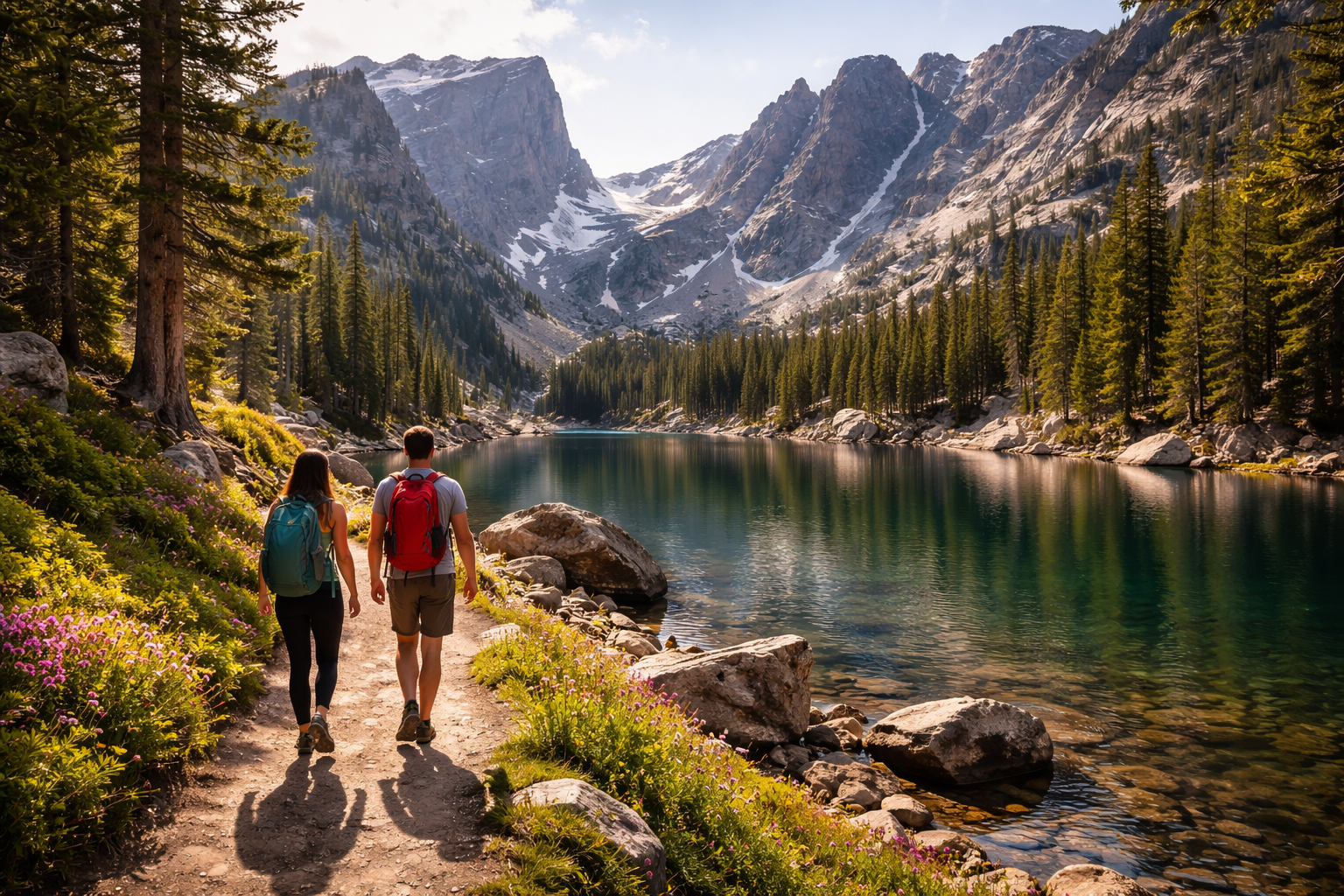
Beauty after extraction
Another reason the frontier moved upward in Colorado is that the state never stopped caring about place.
This may be underappreciated. Many development stories flatten beauty into marketing, as though scenery were simply a sales aid for a more serious economy happening elsewhere. Colorado is richer than that. Here, quality of place has become part of the operating system. The state’s industries are not being built in spite of landscape. They are being built in relation to it.
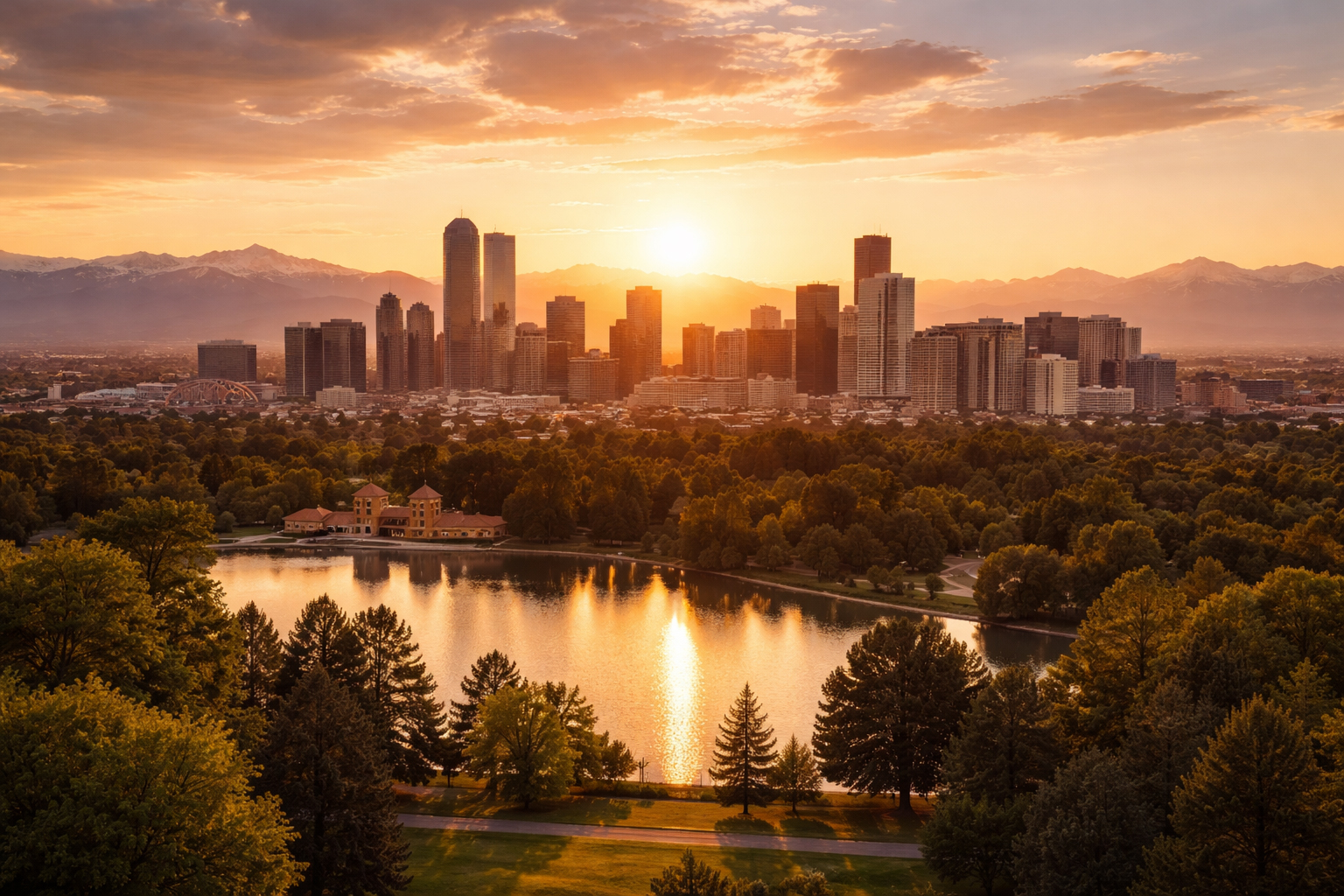
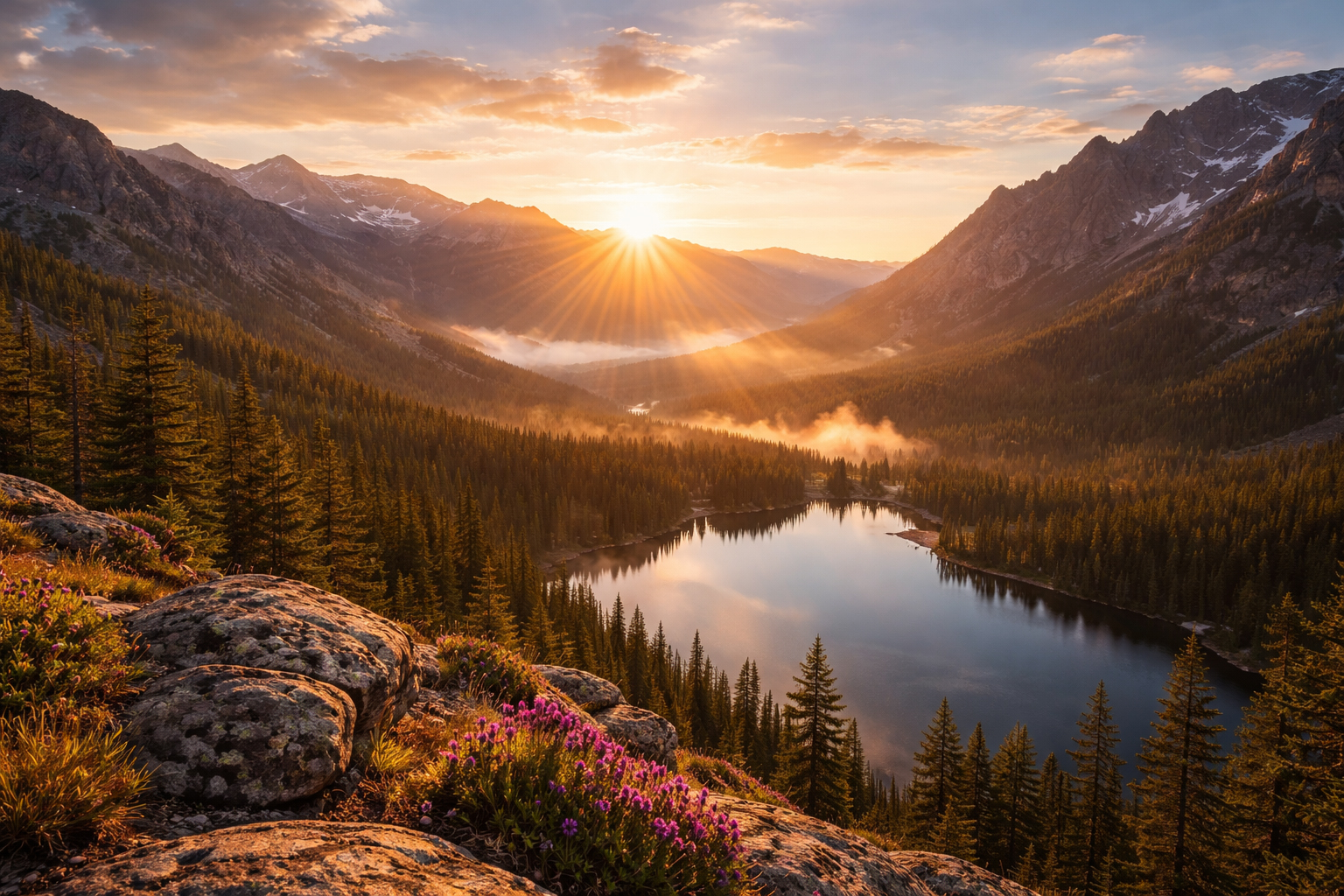
Aspen’s refinement, Denver’s public confidence, Boulder’s livability, the enduring authority of Rocky Mountain National Park, the visual memory of ghost towns and old mining ambition — these all create a western setting in which progress cannot be entirely abstract. The mountains remain visible. The weather remains real. Distance remains legible. This exerts a subtle discipline on what the future can look like. It asks new industries to justify themselves inside a place people still love for older reasons.
That tension is healthy. It prevents Colorado from becoming merely speculative. The state’s stronger future will not be built only by attracting capital. It will be built by proving that new systems can coexist with old loyalties to land, public beauty, and the daily experience of living in a place that still feels physically significant.
The most impressive thing Colorado is building may not be a single industry. It may be a way of moving forward without severing itself from the land that first gave it meaning.
The new western dignity
The phrase new West is often used lazily. It can mean almost anything: faster growth, better restaurants, more technology, more wealth, more bike lanes, fewer clichés. But in Colorado, the phrase has a sharper meaning when viewed through the logic of the upward frontier.
It means a western state that has begun to convert romance into capability.
That does not mean the romance disappeared. Far from it. Colorado still photographs like legend. It still carries ghost-town memory, old rail ambition, western light, and the promise that a person might become larger somehow in the presence of enough distance. But alongside that, the state has learned a newer dignity: the dignity of coordination, of research, of precision, of systems that work, of institutions willing to carry difficult futures on behalf of the public.
This is the real meaning of the frontier moving upward. The aspiration remained western. The methods became modern.
Once the question was whether men could make a life in rough country. Now the question is whether a state can make a future in a rough century. Colorado is trying to answer that in plain view.
And perhaps that is why the state feels so compelling now. It still understands horizon. It still believes there is something beyond the visible line. Only now, the next line is less likely to be a mountain pass than a system not yet solved, a technology not yet stabilized, a civic future not yet fully built.
Colorado remains frontier country. It simply reaches for the frontier with different instruments.