The old West was never only a matter of land. It was always a matter of systems.
Water had to be moved. Timber had to be cut. Ore had to be hauled. Rail had to be laid. Telegraph lines had to be strung into distances that did not especially want to be tamed. Towns rose where systems held. Towns died where they failed. Underneath every romance of the frontier lay a harder truth: the West belonged to those who could organize power.
That truth has not disappeared in Colorado. It has become more sophisticated.
Today, the state’s most important infrastructure story is not simply that it has solar, wind, dams, gas plants, transmission lines, battery projects, public policy debates, and research campuses. Many places have those. The more interesting fact is that Colorado is learning to think in terms of the whole machine. Not just generation, but integration. Not just clean energy, but resilient energy. Not just a collection of technologies, but the choreography that allows technologies to behave like a system.
The new West is not only built on energy. It is built on the intelligence required to connect energy to weather, terrain, people, risk, and time.
This is why energy feels so central to Colorado’s future. The state has the landscapes that make power visible: plains where wind matters, mountain weather that can turn severe without apology, high-desert light that makes solar seem less like theory and more like common sense, and fast-growing communities that keep asking the grid to become more agile, more distributed, and more durable. In that environment, energy ceases to be background. It becomes character.
The grid as the new frontier map
For a long time, western development could be narrated through lines on a map. Wagon routes, mining roads, railroad corridors, county lines, pipelines, canals. Today, the modern map of ambition runs through substations, transmission planning, microgrids, distributed energy resources, demand management, storage, and the layered question of what must stay on when conditions turn difficult.
That is what makes energy systems more than a technical subject. They are a cultural subject. They reveal what a place thinks is worth protecting. Hospitals, homes, transit, water treatment, communications, research campuses, public buildings, food distribution, emergency response — all of it depends on whether a state’s energy architecture is brittle or adaptive.
Colorado is a compelling place to watch this because it still has a western memory of exposure. The state knows what altitude does. It knows what winter does. It knows what fire season does. It knows that beautiful landscapes are not passive landscapes. They ask hard questions of anyone who intends to live inside them at scale.
The old western dream was often to conquer the land. The newer and wiser western instinct is different. It is to build systems that can survive a meaningful relationship with the land.
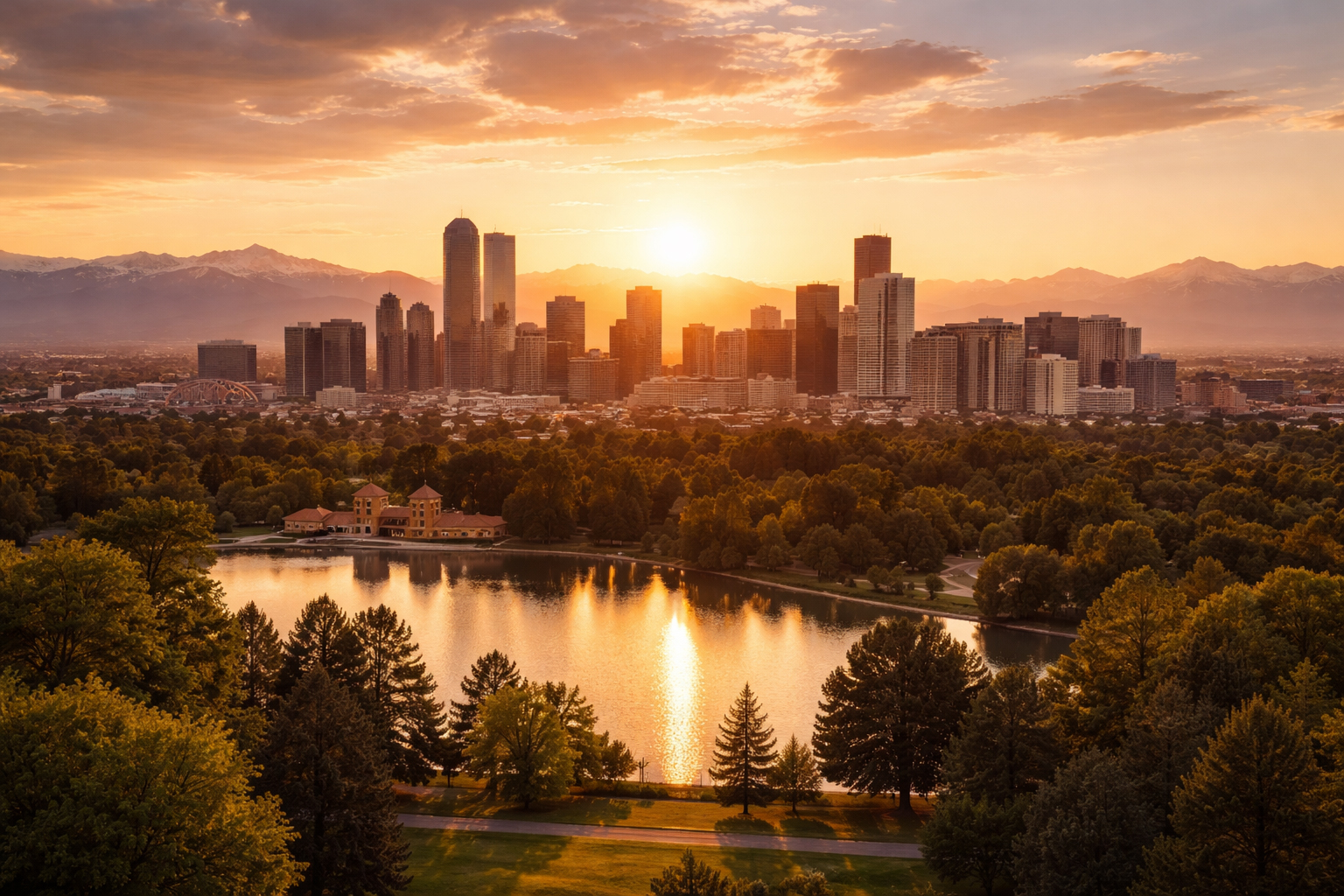
Golden and the engineering of the possible
If you want to understand why Colorado matters in this story, one of the clearest places to begin is Golden. There, in the hills west of Denver, the National Laboratory of the Rockies sits as both symbol and mechanism: a place where energy ceases to be rhetoric and becomes a problem of coupling, timing, stability, storage, simulation, hardware, software, and proof.
The significance of a place like this is easy to miss if you look only for visual spectacle. Laboratories do not perform their ambition the way ski mountains or downtown skylines do. But their drama is real. It lives in the attempt to reduce risk before new energy architectures are pushed into public life. It lives in testing, in interoperability, in the hard discipline of asking whether a promising technology can behave responsibly once it meets the grid.
This is part of why the Energy Systems Integration Facility feels so important as an idea. It represents a mature western instinct: not merely to invent more devices, but to understand how devices interact under real conditions. Power in a modern state is not a single heroic technology. It is a negotiated ensemble.
The romance of the new West lies not in a single machine, but in the system wise enough to make many machines work together.
There is something very Colorado about that. The state has long admired difficult competence. You can see it in old mountain roads, in ski engineering, in irrigation history, in the geometry of a town built where a town probably should not have tried to exist, and in the contemporary respect for fields where performance matters because failure has consequences. Energy systems belong naturally in that lineage.
Storage, resilience, and the moral mood of infrastructure
The most revealing words in modern energy may be the least glamorous ones: resilience, reliability, integration, flexibility. They do not advertise themselves as poetry. Yet together they describe the moral mood of infrastructure in a place like Colorado.
Storage matters because weather moves. Flexibility matters because demand changes. Resilience matters because emergencies are not abstractions. Integration matters because a state with new technologies and old obligations must make those realities talk to each other. The grid of the next West cannot simply be larger. It has to be smarter, faster, more distributed, and more aware of how quickly normal life can become fragile.
This is where Colorado becomes especially interesting to watch. It has enough scale to matter, enough beauty to tempt oversimplification, and enough institutional seriousness to resist oversimplification. It can still be imagined lazily as a state of mountains and lifestyle. But under that image, a more demanding story is underway: how a visually dramatic place learns to support increasingly modern life without becoming either brittle or complacent.
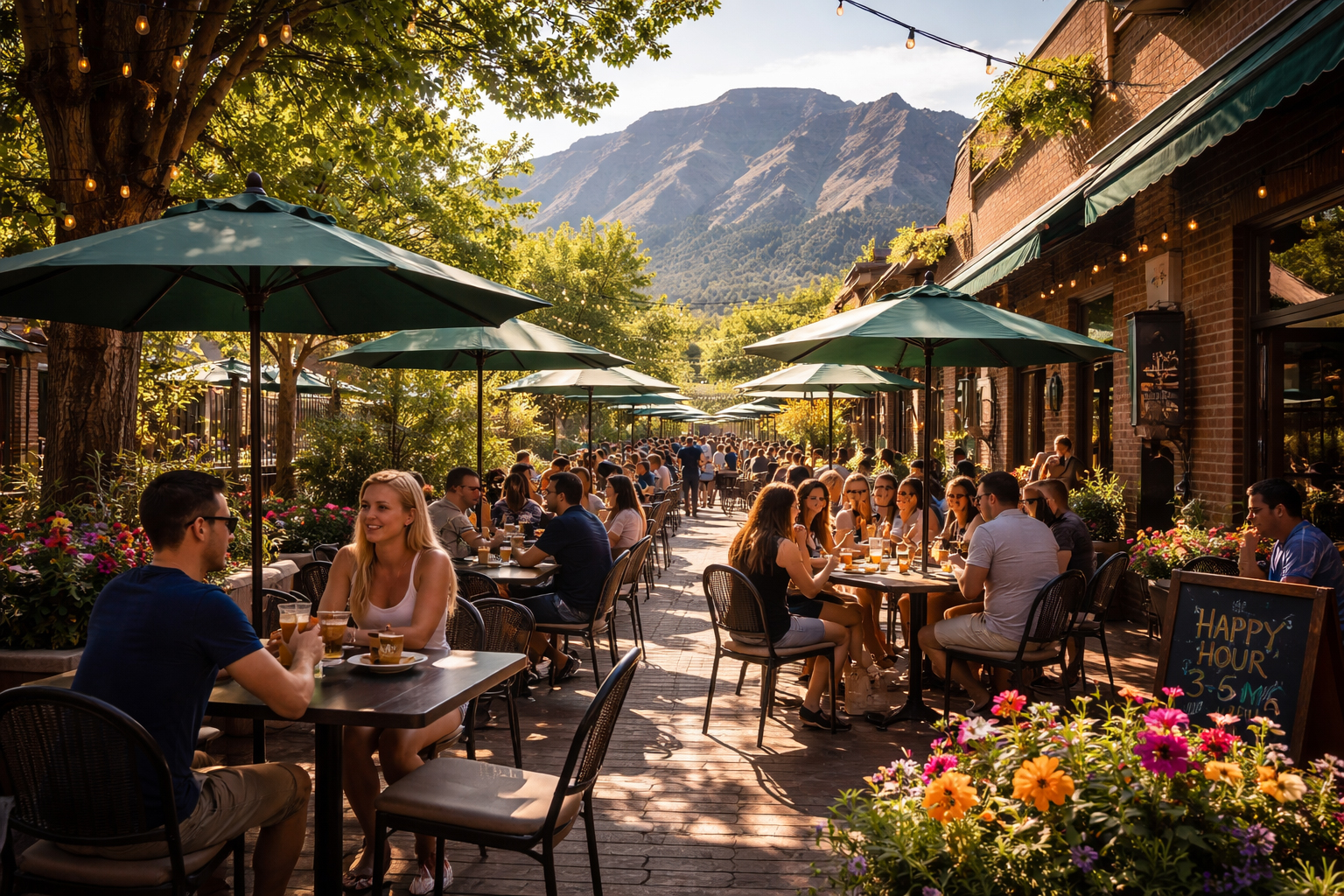
The beautiful system
There is an older habit of mind that treats infrastructure and beauty as opposites. One belongs to engineers. The other belongs to travelers, artists, and dreamers. Colorado increasingly makes that division look lazy.
In the best version of the state’s future, the system itself becomes part of the beauty. Not because wires, batteries, control software, and planning models are picturesque in a literal way, but because they allow a western landscape to remain livable, legible, and genuinely inhabited. A beautiful state that cannot support its own daily complexity is merely scenic. A beautiful state that can organize power intelligently becomes something more impressive.
This is why energy systems belong in the same conversation as architecture, public life, transit, housing, and regional identity. They are not back-office matters. They shape the terms on which modern Colorado is allowed to exist.
And perhaps that is the deepest continuity with the old West. Then, as now, the future did not belong to the place with the loudest myth. It belonged to the place most capable of making harsh conditions workable.
Colorado still understands that lesson. It simply speaks it in a new language now — the language of integration, storage, research, resilience, and systems that are asked to do more than ever before without losing their nerve.
The West once organized itself around waterworks, railheads, and extraction routes. The New West organizes itself around data, distributed generation, grid coordination, storage, and the public question of what must remain stable when everything else is changing.
In Colorado, that question does not feel abstract. It feels like weather coming over a ridge, light hitting a city at dusk, or a mountain town going quiet under snow. It feels local. It feels physical. It feels western.
Which is why energy systems here do not read like bureaucracy. They read like destiny with engineering.