There are states that impress you at once, and states that take time. Colorado does both.
At first, it arrives in obvious ways: high light, clean distance, mountains with enough authority to rearrange your sense of proportion. The sky seems to sit farther back. Roads look more deliberate. Even the towns feel as though they were built under the pressure of weather and horizon rather than habit. But then something quieter begins to reveal itself. Colorado is not only beautiful. It is ambitious. Not loud about it. Not theatrical. But deeply, unmistakably ambitious.
This is what makes the state so interesting now. The old image of Colorado still holds: frontier trails, mining camps, rail routes, ski towns, rivers, aspens turning gold. Yet another Colorado has risen inside that landscape. It is a Colorado of laboratories, aerospace firms, quantum research, clean-energy systems, advanced manufacturing, and institutions that think seriously about the next century.
Colorado never had to give up its beauty to become intelligent. In the best moments, the beauty seems to sharpen the intelligence.
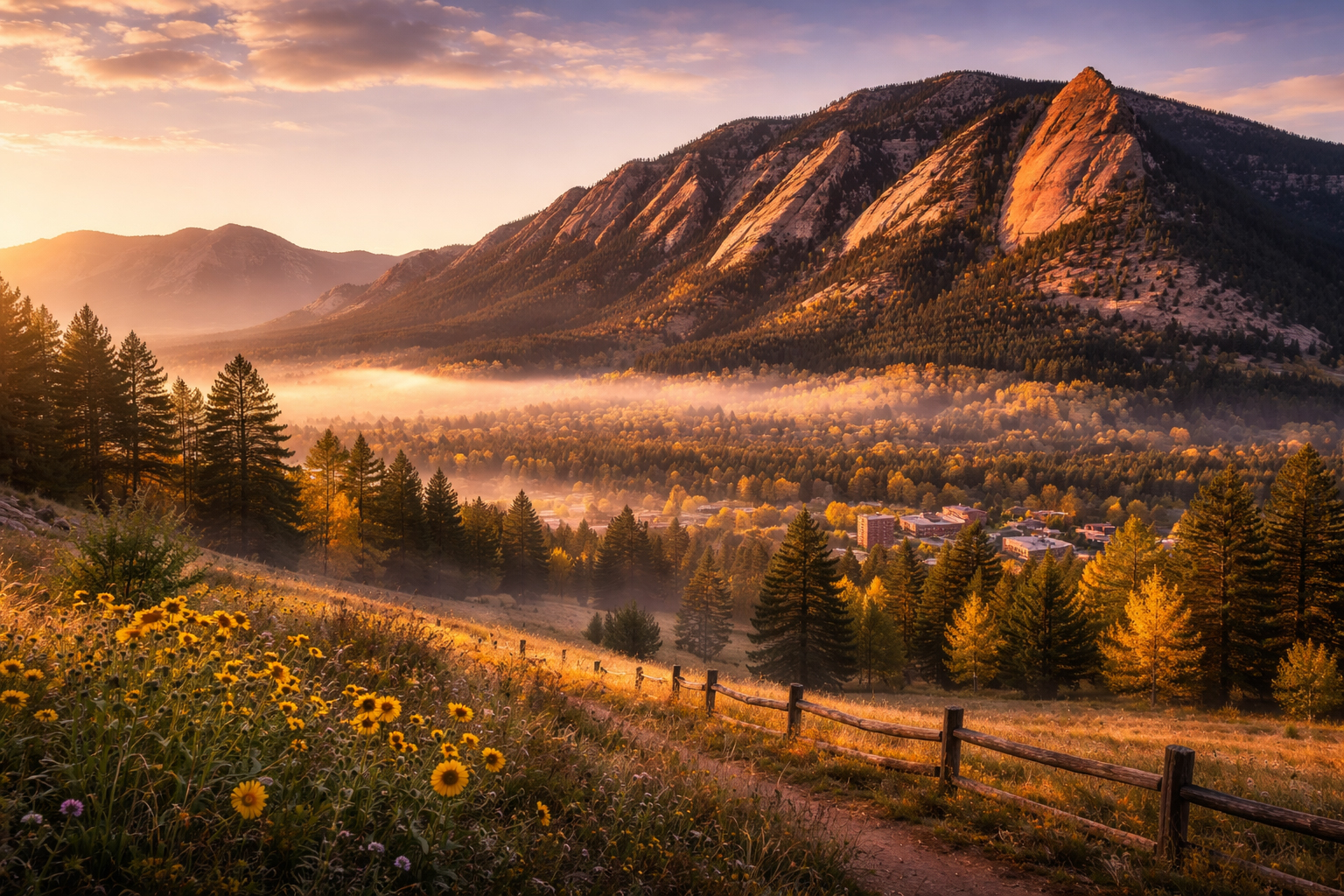
Where beauty and intelligence share the same frame
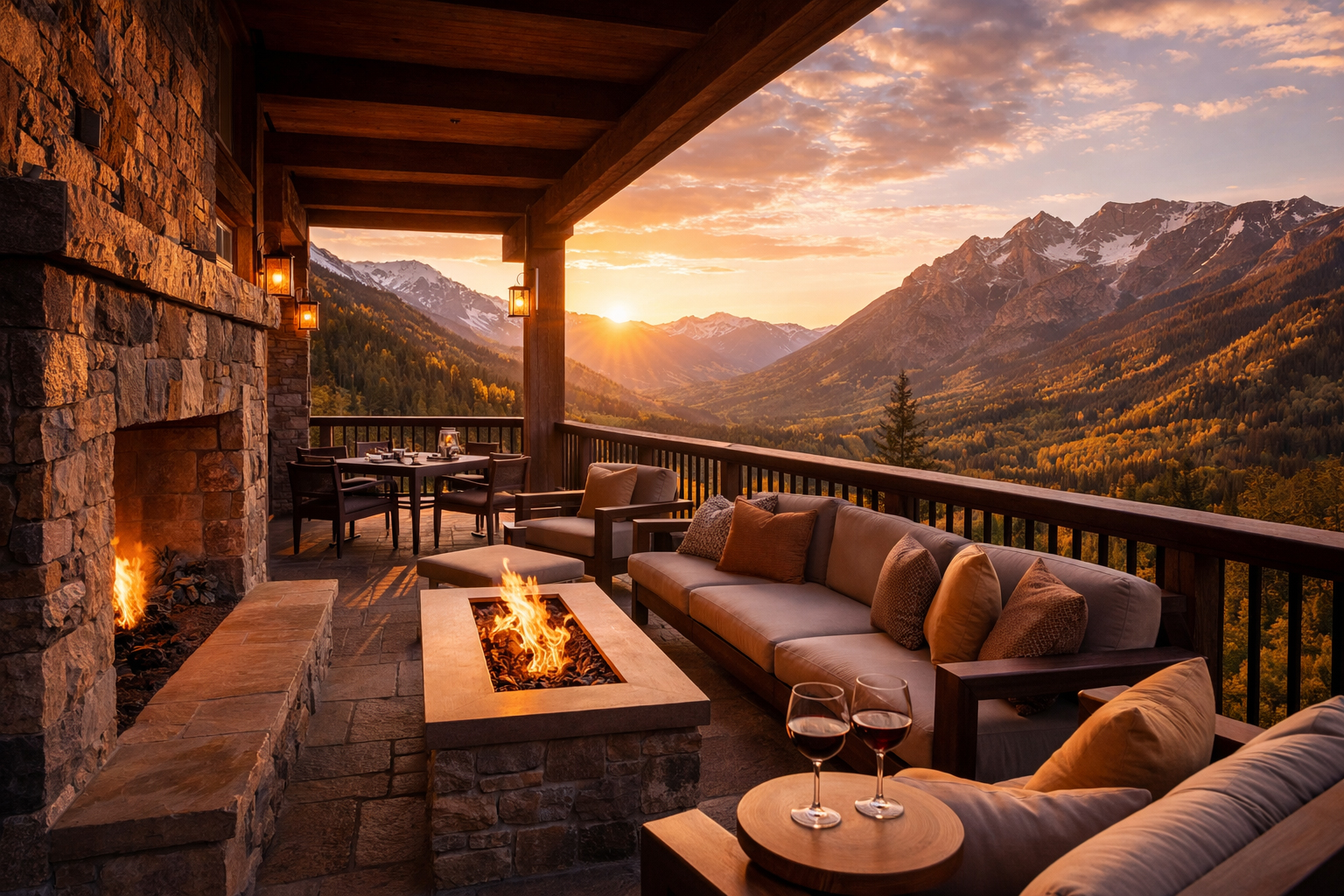
What makes Colorado’s transformation so compelling is that the state never had to choose between grandeur and thought. In many places, beauty and ambition appear to live in different worlds. One belongs to postcards and weekends. The other belongs to office parks and sealed research campuses. Colorado is more fused than that. The same state that gives you alpine lakes, cold roads through yellow aspens, and the old pull of western distance also gives you research culture, design confidence, energy experimentation, and a civic instinct for the next chapter.
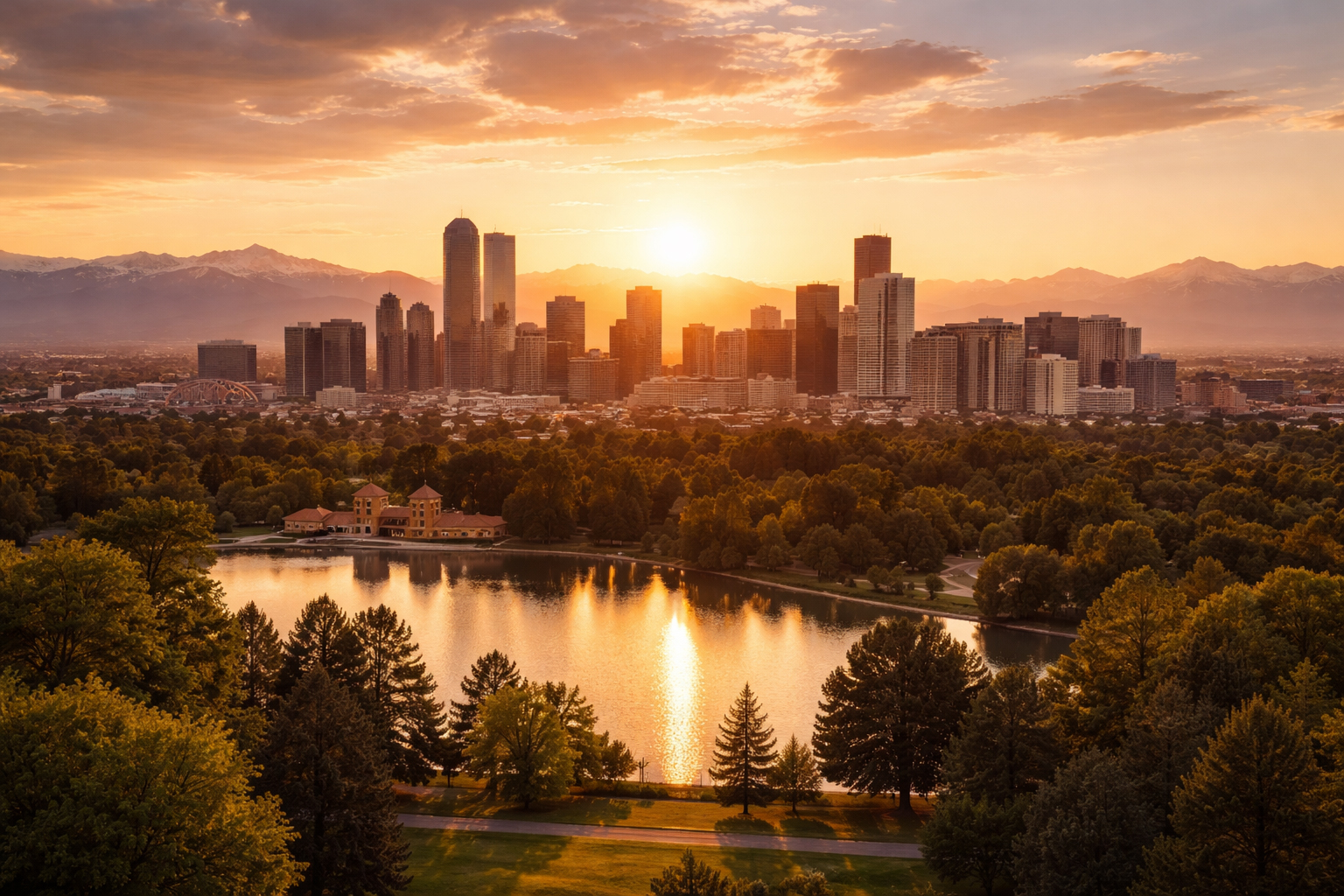
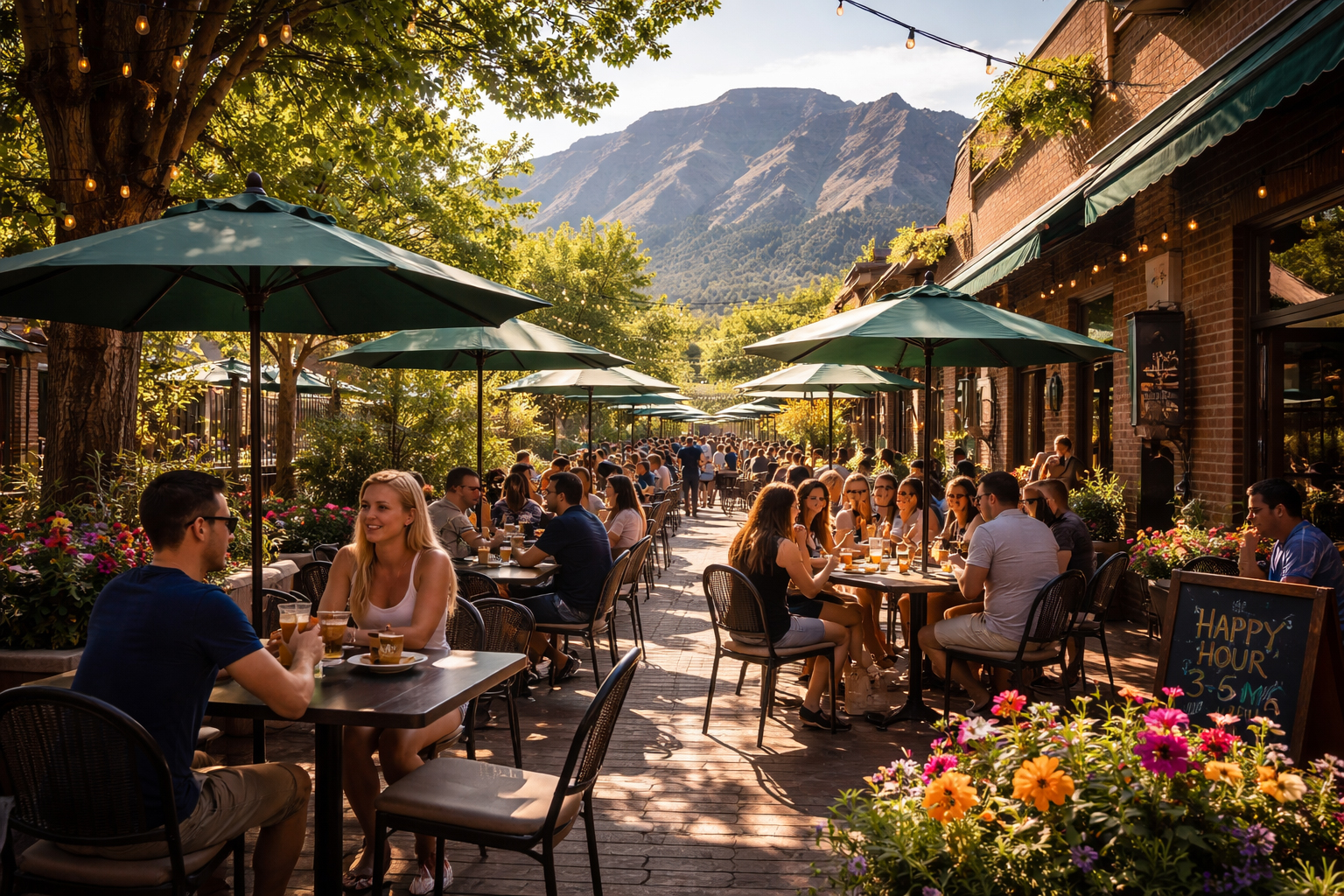
The easiest way to misunderstand Colorado is to divide it into categories. Mountains over here. Cities over there. Outdoor life on one side. Innovation on the other. But the real Colorado is more integrated. Denver’s skyline at golden hour is not a rejection of the old state; it is one of the forms the old state took when it learned scale, polish, and public self-awareness. Aspen’s refinement is not a contradiction of frontier history; it is one of its outcomes. Boulder’s concentration of research energy does not feel imported; it feels strangely native to a place where light is sharp, weather is decisive, and people are drawn to problems large enough to match the horizon.
That is why Colorado feels modern without losing its mythology. The mythology was never just cowboy theater or mountain romance. It was a way of imagining what might be found, built, extracted, named, mapped, tested, and changed. The frontier was never only about scenery. It was about possibility. Today, that appetite has simply changed its tools.
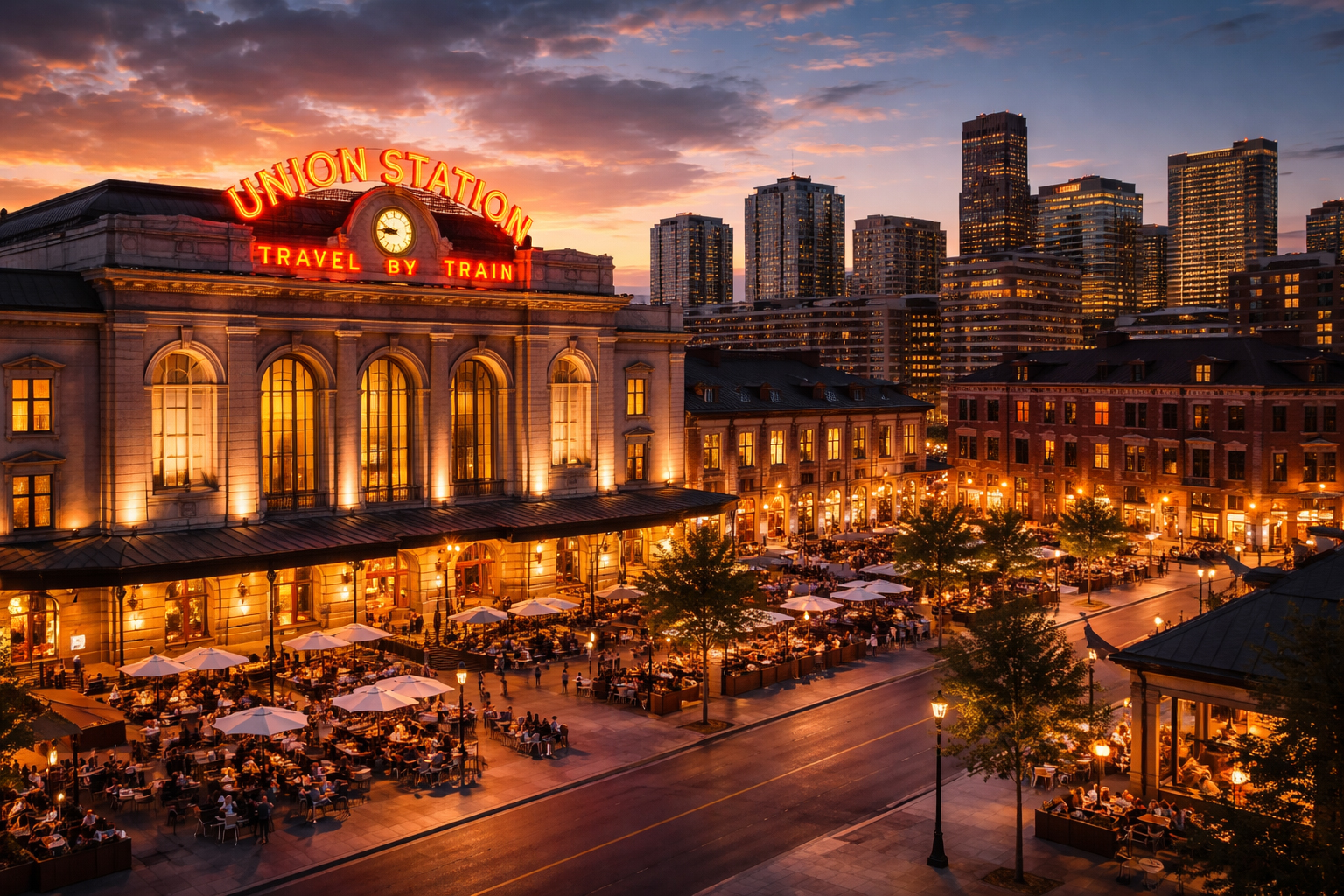
The old frontier changed its tools
Once, the state’s most visible instruments were picks, tracks, wagons, and telegraph lines. Now they are labs, satellites, software, engineering systems, design studios, advanced manufacturing floors, and energy platforms. The continuity matters more than the difference. Colorado remains a place that attracts people who want room to think forward.
The pickaxe became instrumentation. The wagon route became the research corridor. The campfire argument about where the future lay moved into laboratories, aerospace campuses, universities, and companies that are still testing how far western ambition can be pushed without losing its nerve.
And still, for all of that modernity, Colorado never entirely abandons romance. Ghost towns remain in the background like unfinished sentences. Old mining ambition survives in architecture, civic legend, and the state’s restless taste for reinvention. You can dine beautifully in Aspen or Denver and still feel the pressure of an older Colorado not very far away. Without that tension, the state would merely be successful. With it, the state becomes interesting.
The future in Colorado is not sterile. It has weather on it.
That may be the deepest difference. In many places, innovation feels sealed off from life, hidden in generic buildings, removed from the feeling of the land. In Colorado, the opposite can happen. Research and ambition appear under mountain light. Energy is discussed in a state where climate and power feel physically present. Aerospace rises in a place that still prizes open sky. The geography does not disappear when the industries arrive. It edits them. It gives them scale, drama, and a certain seriousness.
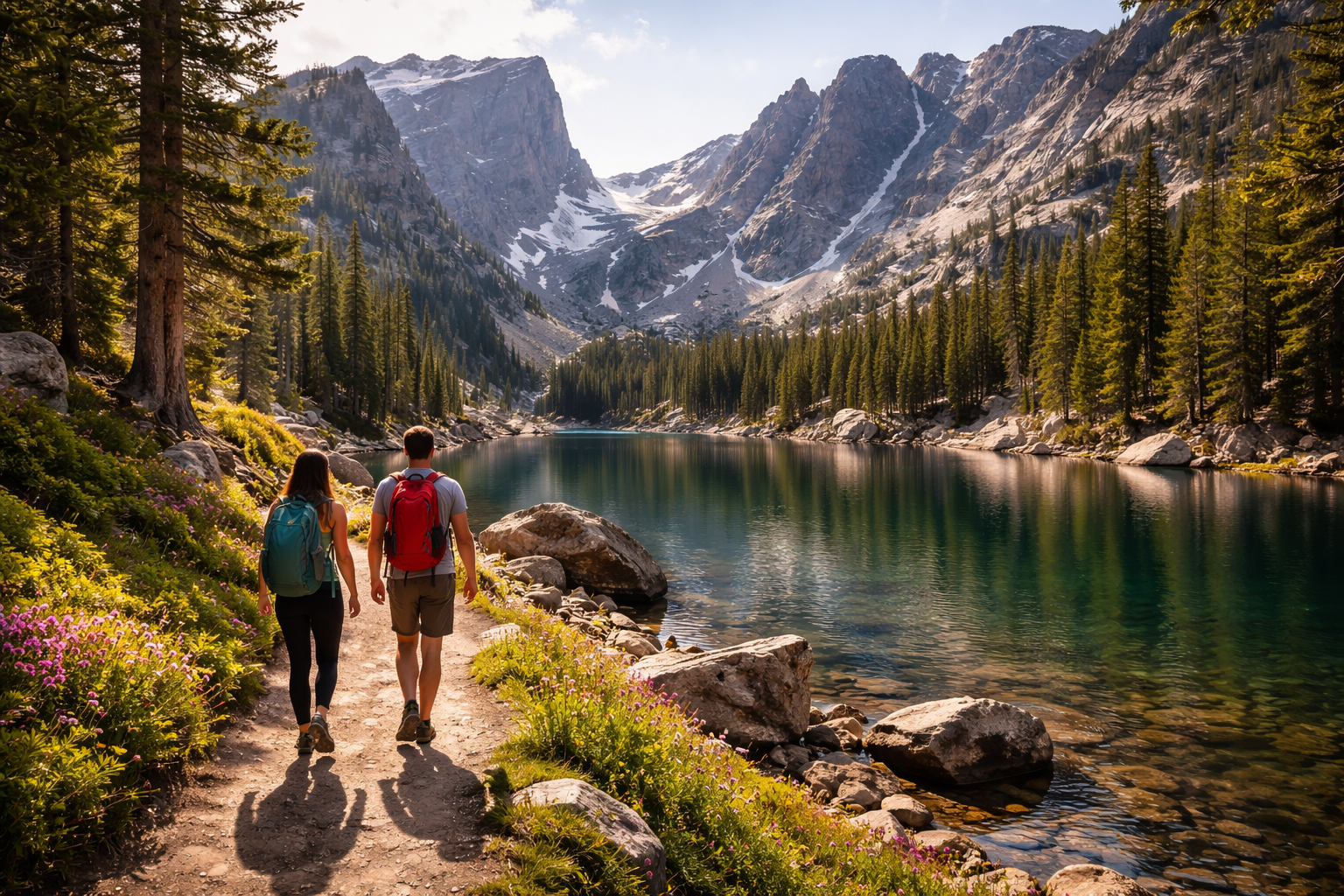
A state that still believes in possibility
Perhaps the most accurate way to describe Colorado now is not as a beautiful state with a promising future. It is a state where beauty helped produce the future. The same qualities that once drew prospectors, railroad planners, artists, and mountain dreamers now attract researchers, engineers, founders, institutions, and people who want a life with both altitude and thought.
That is why Colorado can feel so attractive to visitors who want more than scenery. Plenty of places can offer beautiful drives and mountain hotels. Fewer can offer the sense that beauty and intelligence are happening in the same frame. In Colorado, they are. You see it in Denver when culture, architecture, and civic confidence gather under western light. You see it in Boulder when the landscape and the research atmosphere seem to belong to one another. You see it in the way the state looks forward without pretending it has escaped its older stories.
Colorado remains a place for people who believe that distance is not emptiness, that difficulty is not a reason to turn back, and that a landscape can shape not only how you travel, but how you imagine. That is why the state still feels charged. It is not standing still inside its own legend. It is using that legend as raw material.
And that, finally, is what makes Colorado feel like the beautiful future.
Not because it is perfect. Not because it has solved the old western tensions between land and development, myth and money, grandeur and use. But because it still knows how to look beyond the next ridge line. It still understands the emotional architecture of possibility. The country first called people here with rumor, gold, and light. Now it calls them with research, industry, design, energy, invention, and sky.
Colorado keeps becoming itself in public.