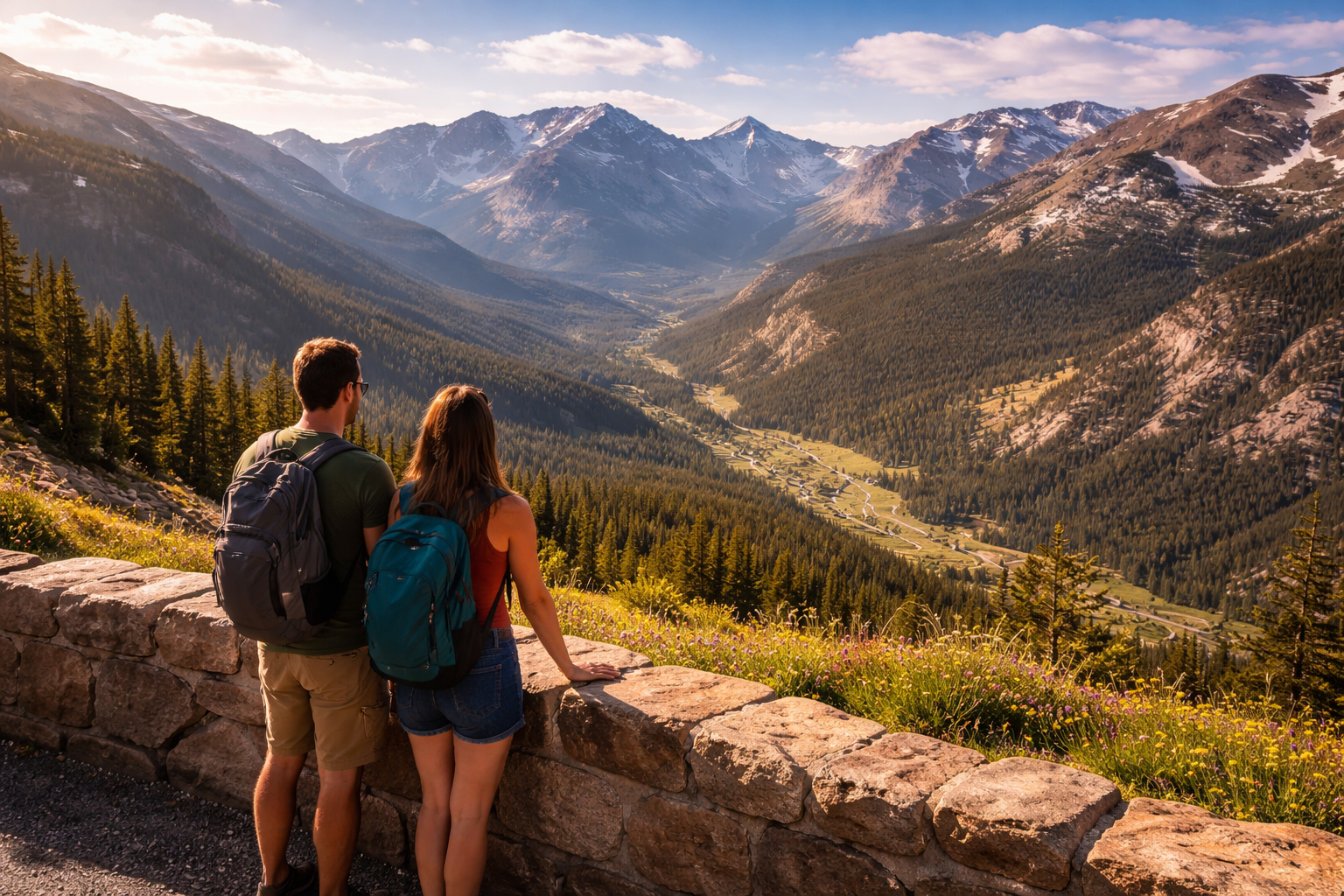
There are landscapes you visit, and landscapes that visit you back.
Rocky Mountain National Park belongs firmly to the second category. You can arrive with a plan, a trail list, a timed entry reservation, a map folded into the door pocket, and the healthy confidence of a traveler who believes the day is largely under control. The park does not insult that confidence. It simply rearranges it. Elevation begins the work first. Then weather. Then the long sweep of road and valley. Then the wind. Then the silence that still manages to exist even in a place so famous.
This is why the park remains one of Colorado’s deepest experiences. Not because it is merely scenic, though it is. Not because it offers good hikes, though it offers many. Rocky Mountain National Park matters because it still exerts authority. Its beauty is not decorative. It overrules.
In some places, nature serves the visitor. In Rocky Mountain National Park, the visitor briefly learns to serve the scale of nature.
That change in relationship is what makes the park memorable. Roads become more than transit. Pullouts become acts of humility. Visitor centers become places where a traveler pauses not just for maps, but for recalibration. Even the animals, especially the elk in their proper season and proper distance, seem to move through the park with a confidence that asks humans to be less loud and more accurate.
The road into submission
Most visitors on the east side begin from Estes Park, and this is as it should be. Estes gives the park a proper threshold. It is not wilderness, and it does not pretend to be. It is a gateway town — a place of lodges, breakfasts, outfitters, sidewalks, and the useful reassurance that one can still obtain coffee, advice, and a decent dinner before submitting to altitude. But what makes Estes Park good is precisely that it does not compete with the park. It frames it.
Beaver Meadows Visitor Center serves this framing well. The building, the road, the sense of an official beginning — all of it gives shape to the transition from town rhythm to park rhythm. This is one reason national parks remain such a peculiar American accomplishment. They are institutions designed to escort people toward landscapes that will eventually dwarf the institution.
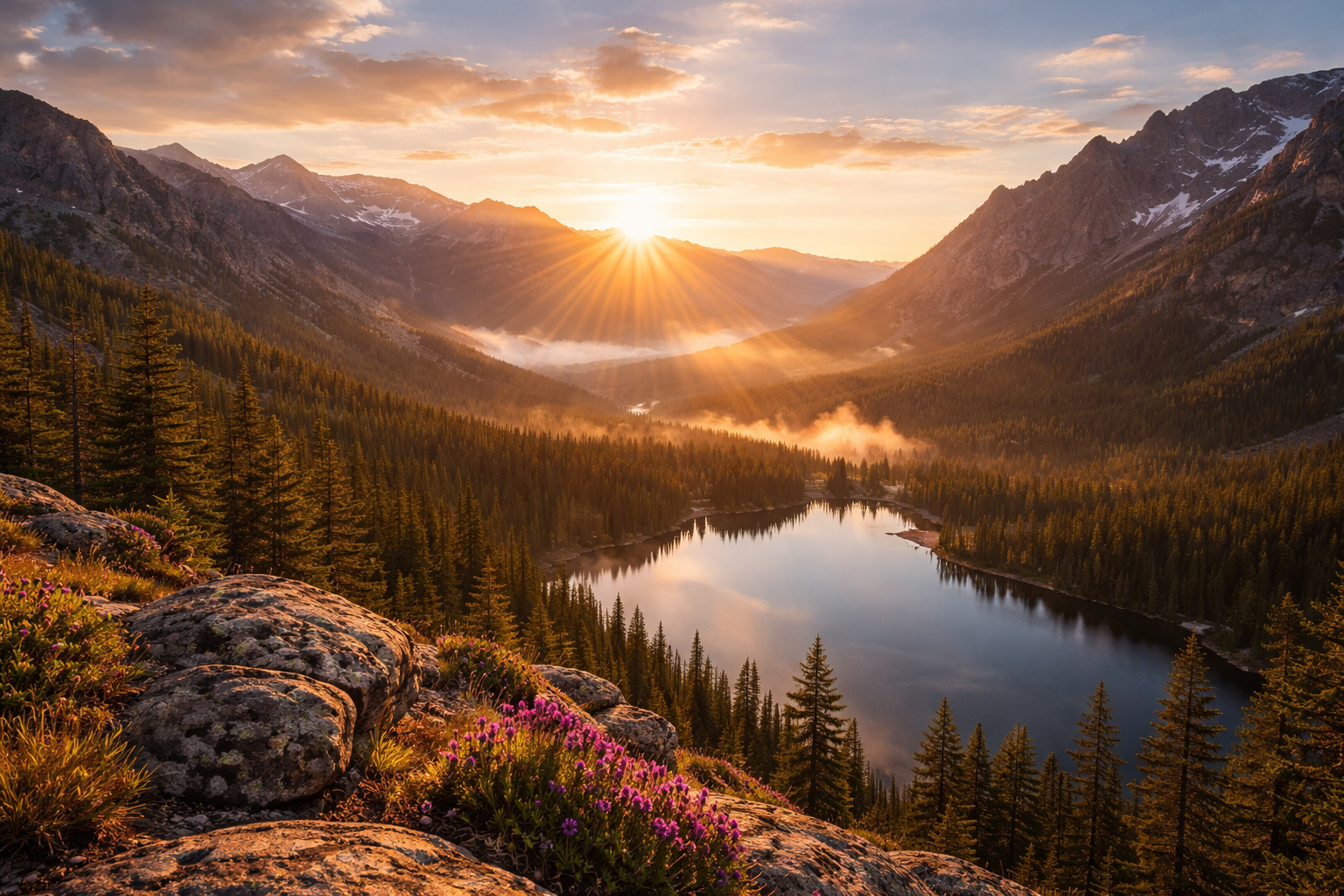
And Rocky Mountain National Park does not take long to begin that dwarfing. The climb starts. Forest gathers. The road bends. The first long looks open. If you continue toward Trail Ridge Road, the park quickly teaches its larger lesson: that movement through it is not merely scenic, but vertical, climatic, and moral in tone. Above all, it is educational.
Even if you never hike farther than a lakeside loop, the park has already begun to instruct you. It instructs in scale. It instructs in restraint. It instructs in how quickly human confidence can become gratitude.
Altitude as truth
One of the most remarkable things about Rocky Mountain National Park is how honest it remains about altitude. There is no way to aestheticize it completely. The lungs intervene. The weather intervenes. The body intervenes. Above a certain point, the mountain strips away the illusion that the visitor is only consuming views.
This is one reason the park feels so powerful even to people who never use technical language about geology, alpine ecology, or hydrology. The body knows when conditions have changed. It knows when air has thinned, when sun has sharpened, when the wind carries a different kind of authority. In Rocky Mountain National Park, the body becomes one of the instruments by which the land is understood.
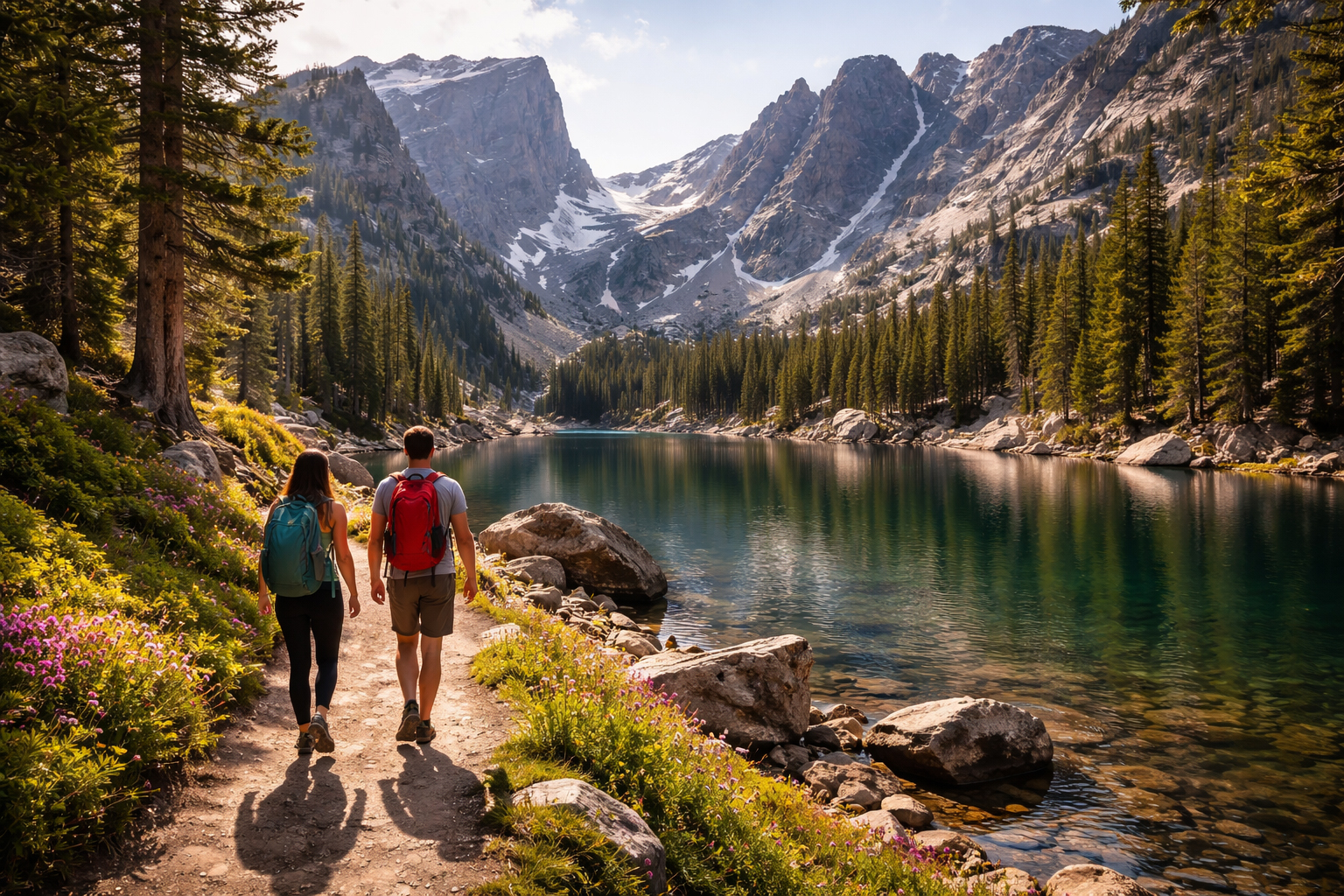
That truth runs through the whole park. It is present on Trail Ridge Road above timberline, where the tundra turns the world into a study of exposure. It is present on the Bear Lake corridor, where short trails still carry the austere dignity of high water and cold stone. It is present in the Kawuneeche Valley on the west side, where broad meadows, rivers, and moose country create a calmer but no less commanding register of mountain life.
Rocky Mountain National Park does not flatter the traveler with ease. It offers something better: clarity.
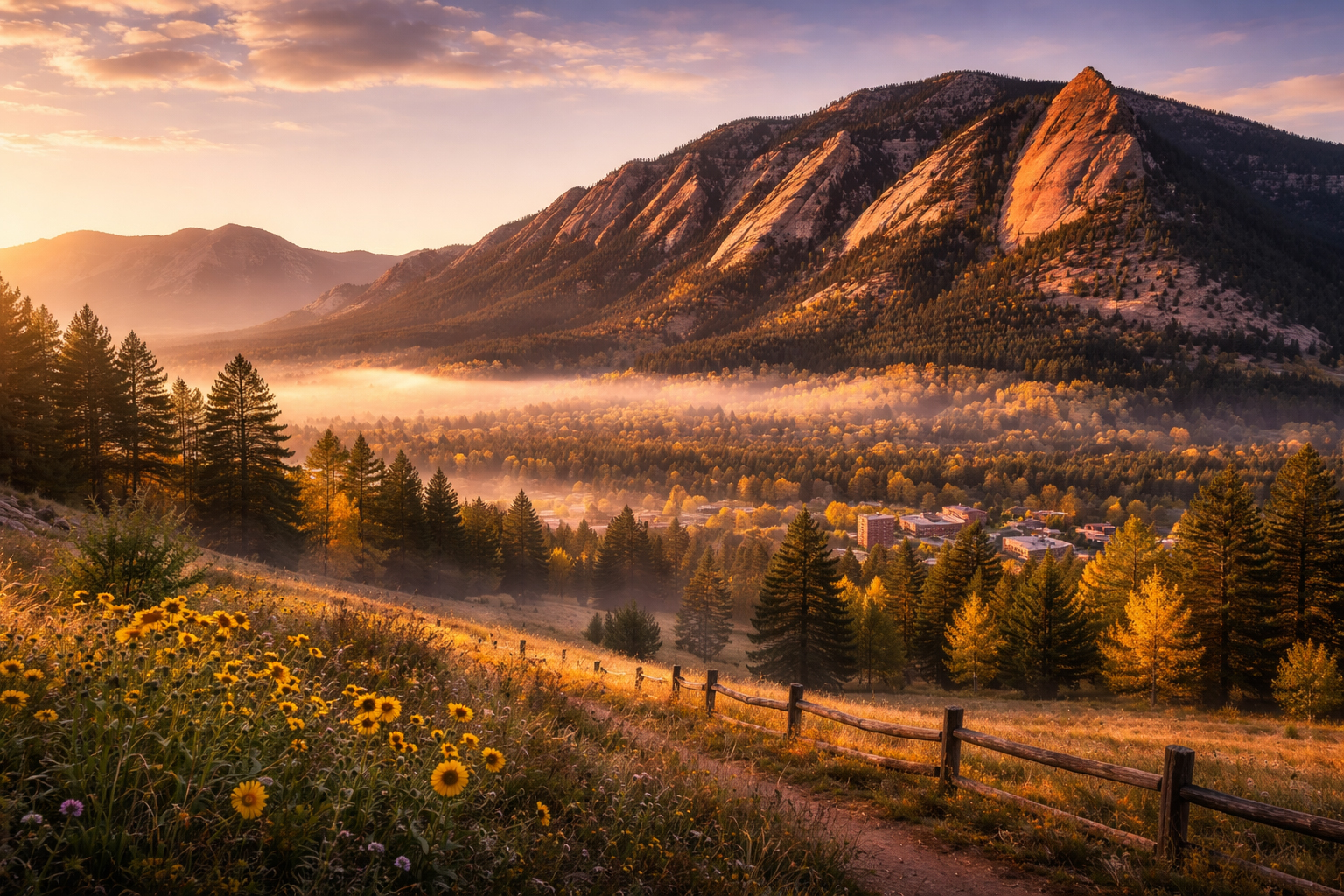
Elk country, weather country, silence country
To reduce Rocky Mountain National Park to viewpoints and hikes is to miss its wider animal and atmospheric life. This is elk country. It is weather country. It is also, in the best sense, silence country.
The elk have a way of clarifying the human relationship to the place. In Estes Park and the meadows near Moraine Park, they can appear so naturally that visitors briefly risk confusing visibility with familiarity. But the park works best when animals are understood not as attractions, but as reminders that this landscape is still inhabited on terms beyond ours.
Weather performs the same service. A blue day can persuade the traveler that the park is infinitely generous. A fast-moving front, a colder wind, a shifting cloud line, a sudden drop in comfort — all of this restores proportion. Rocky Mountain National Park remains a land of extremes, and one of its quietest strengths is that it does not hide this. The visitor is allowed beauty, but also warning.
Then there is silence. Not total silence, perhaps — cars pass, boots strike trail, visitor centers murmur, wildlife moves through brush — but enough silence to reintroduce measure into the day. This is one reason the park remains emotionally powerful even for people who have seen many beautiful places. It still contains enough unedited quiet to let the mind settle into the landscape’s terms rather than the other way around.
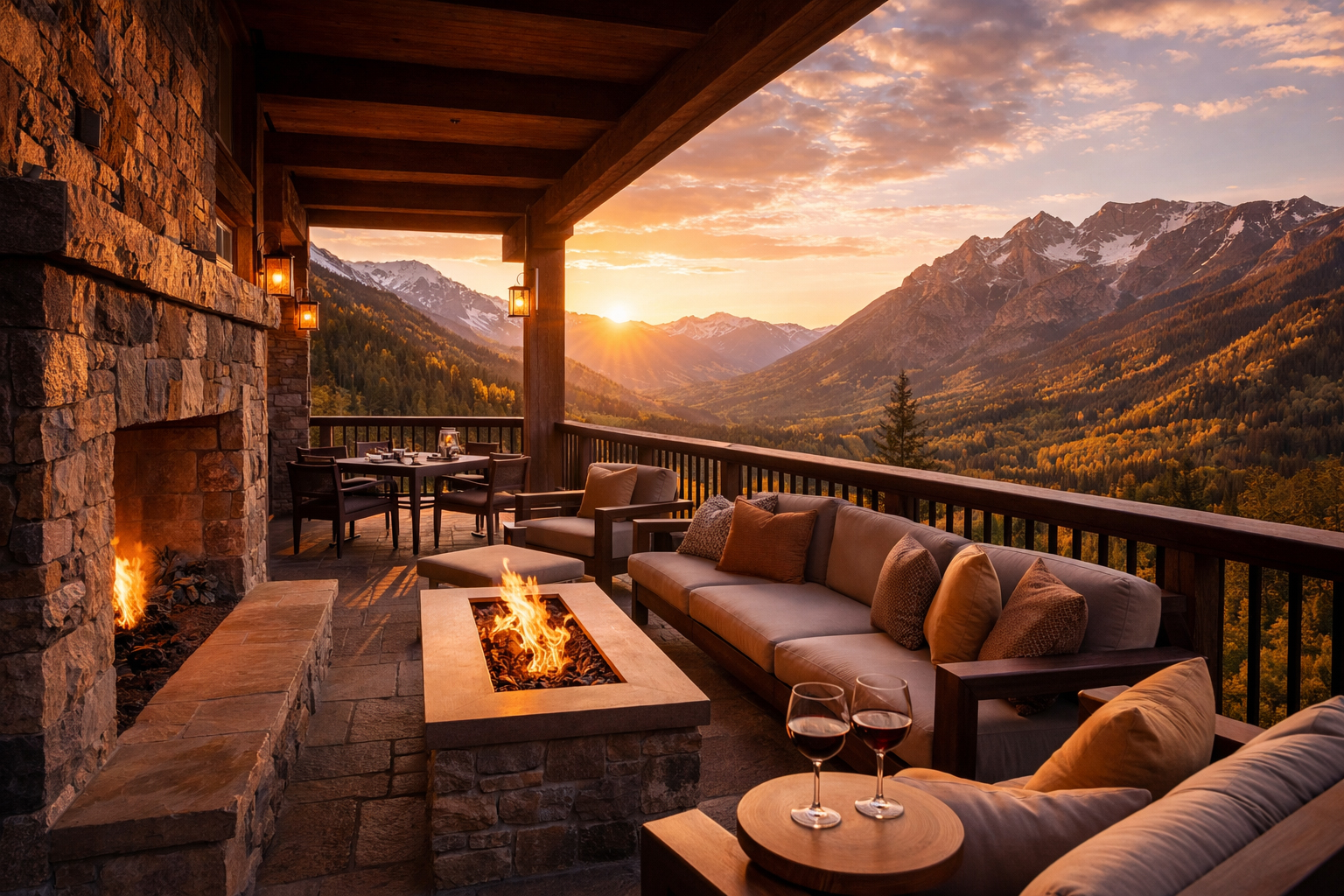
Where to sleep, where to eat, where to begin again
A park of this scale deserves a proper edge, and Rocky Mountain National Park has two very different but equally useful ones. On the east side, Estes Park remains the practical and emotional base for many travelers. The Stanley Hotel gives the gateway a little grandeur and theatrical history. YMCA of the Rockies offers an expansive, family-centered relation to the park. Nicky’s Resort and other classic Estes lodgings keep the mountain-town side of the experience alive.
After a day in the park, Bird & Jim is one of the best reminders that a gateway town can still take food seriously. Twin Owls Steakhouse offers another mood entirely — lodge-like, more dramatic, suited to the appetite that altitude and a long day tend to sharpen.
On the west side, Grand Lake changes the emotional key. The town has boardwalk calm, water, and a slightly softer landing after the park’s higher and harder registers. Grand Lake Lodge gives travelers one of the most atmospheric endings to a park day in all of Colorado. The Gateway Inn is another strong base. Sagebrush BBQ & Grill and the Historic Rapids Lodge Restaurant make good on the principle that a great day in a great landscape deserves a meal with some grounding in place.
Visitor centers also matter more than travelers sometimes admit. Beaver Meadows establishes the east-side threshold. Fall River and Alpine interpret the climb and exposure. Kawuneeche on the west side helps complete the park’s wider sentence. In a landscape so large, information is not bureaucracy. It is respect.
The right way to honor Rocky Mountain National Park is to arrive prepared, move with attention, and end the day at a speed the body can accept.
The lesson of the park
In the end, Rocky Mountain National Park does not ask to be adored. That is too easy. It asks to be answered.
Can you drive without rushing? Can you hike without turning every lake into a trophy? Can you let weather matter? Can you accept that the mountain may decide the tone of the day, and that this is not inconvenience but the deepest privilege of being there?
This is why the park remains so important to Colorado’s identity. It is not only one of the state’s most beautiful places. It is one of the places where Colorado’s deepest values become visible all at once: altitude, exposure, scale, patience, public access, restraint, and the strange western understanding that a person is made better not by dominating the landscape, but by adjusting correctly to it.
Rocky Mountain National Park overrules everything because it is still larger than any story told about it. The roads, the lakes, the elk, the weather, the hotels, the trail maps, the meals afterward — all of these are part of the experience. But the true subject remains the same. The land has not finished explaining itself. We simply get to listen for a while.