The first mistake would be to think this story is only about pools.
Japanese travelers do not love hot springs simply because warm water feels pleasant. They love what hot springs do to time. The day slows. The body becomes quieter. Conversation softens. The weather outside starts to matter more, not less. A meal tastes better afterward. Sleep arrives with less effort. The memory of the place changes shape. A destination becomes a feeling.
This is why Colorado’s hot springs deserve more attention from Japanese travelers than they usually receive. At first glance, the state may seem better known for mountains, ski towns, national parks, road trips, and wide western scenery. All of that is true. But another Colorado waits inside that landscape: a Colorado of steam, mineral water, riverside soaking, snow falling near the pool edge, old bathhouse culture, mountain silence, and the specific pleasure of warming the body while the land remains vividly cold around you.
Colorado’s hot springs are not a side activity. They are one of the most graceful ways to understand the state.
What makes them especially attractive to Japanese travelers is that they do not feel artificial. Colorado’s best hot springs still carry the atmosphere of place. They are rooted in river valleys, mountain towns, canyon air, dark winter evenings, and old western routes of travel. They feel discovered rather than manufactured. That distinction matters.
Japan’s bathing culture is centuries deep and highly refined. No one should pretend Colorado is a substitute for Japan. It is not. But it speaks a language that Japanese travelers will instantly recognize: the language of restoration through landscape. In Colorado, the mountain does not stop mattering once you enter the water. In the best springs, the mountain becomes even more present.
Water in a state of weather
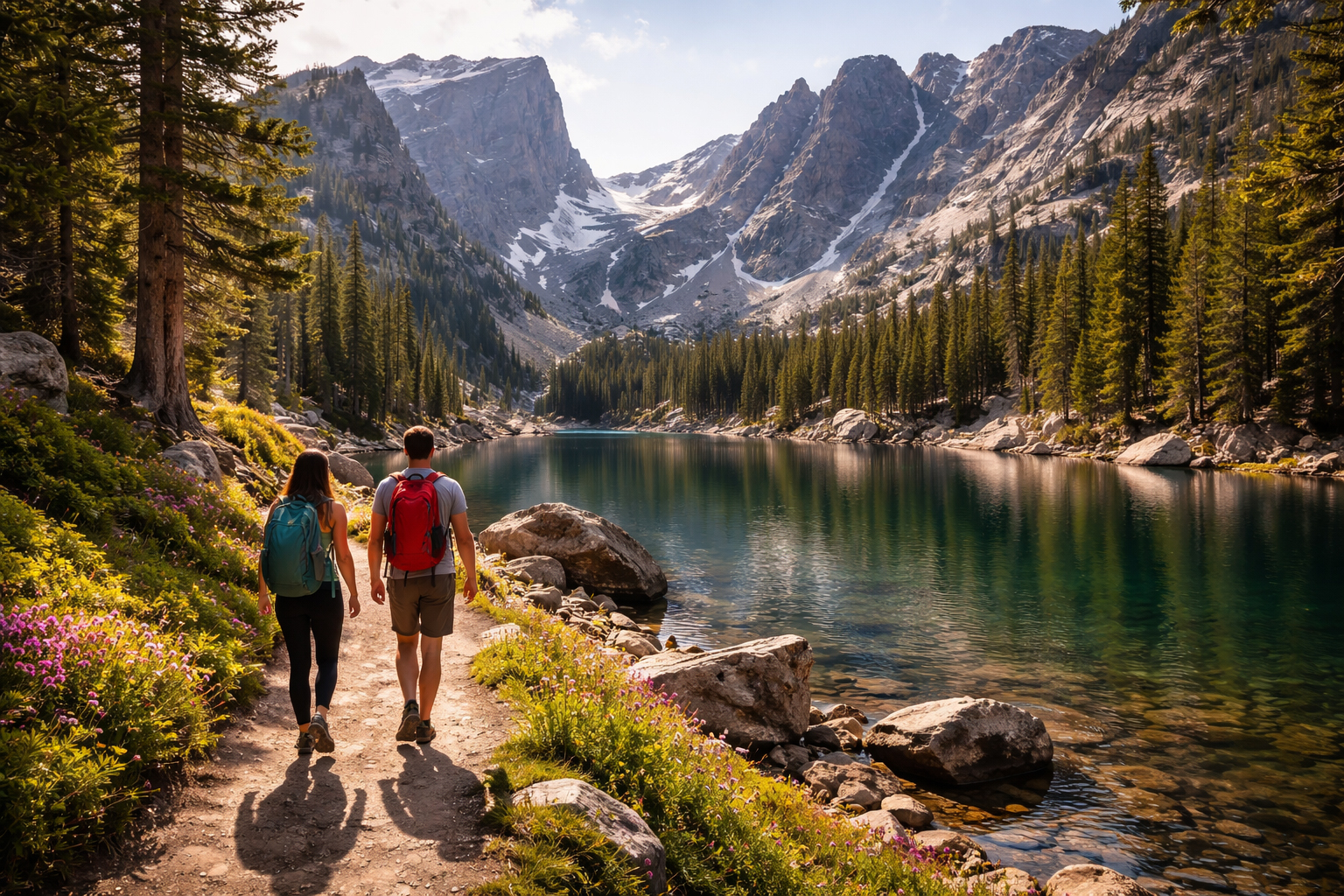
Colorado is one of those places where weather remains visible. Light changes quickly. Snow can make a town feel ceremonial. A canyon can hold cold like memory. A river can keep moving even while steam rises beside it. For Japanese travelers, this is important. A good hot springs experience is never only about temperature. It is about contrast.
Contrast is one of Colorado’s great strengths. Warm water against sharp air. Steam against dark pine. Evening sky above a soaking pool. A lodge room after the bath. The western version of this pleasure is less ritualized than Japan’s, perhaps, but it can be emotionally very close. The body understands it before the mind explains it.
This is why Glenwood Springs is such a good place to begin. Glenwood Hot Springs Resort has scale, history, and one of the clearest names in Colorado hot-springs culture. It offers the reassuring feeling of a destination that has been doing this long enough to know what travelers come for. For visitors who prefer a more polished, more accessible, more iconic first experience, Glenwood is an excellent choice.
Right nearby, Iron Mountain Hot Springs offers a different mood: smaller soaking pools, strong river views, and a more contemporary sense of atmosphere. If Glenwood Hot Springs feels like a grand old western answer to bathing, Iron Mountain feels more intimate and composed. The contrast between the two is itself useful. It reveals that Colorado’s hot-springs culture is not one-note. The state can do both scale and serenity.
The pleasure of going slightly out of the way
Another reason Japanese travelers are likely to love Colorado hot springs is that the best experiences often ask for a little movement. You drive into a valley. You arrive near a river. You make your way up toward a mountain town. The bath becomes part of a journey rather than a convenience attached to a hotel tower. This too feels familiar.
Mount Princeton Hot Springs Resort is an excellent example. The setting in Nathrop, between Buena Vista and Salida, has the kind of broad mountain atmosphere that makes soaking feel inseparable from the surrounding land. Colorado does this beautifully: it lets the hot springs remain part of the geography, not merely part of the amenity list.
Cottonwood Hot Springs, near Buena Vista, leans even more strongly into the idea of hot springs as a retreat from pace. It is the sort of place where the rustic quality is part of the value. Japanese travelers who prefer a more natural, less stylized, more contemplative atmosphere often respond very well to this kind of setting.
And then there is Strawberry Park Hot Springs near Steamboat Springs, one of the places where Colorado’s bathing culture comes closest to a dream of mountain immersion. Its appeal lies in the sense that you have gone somewhere. Not extravagantly far, but far enough to let ordinary time loosen its grip. Japanese travelers understand this kind of threshold deeply. The bath begins before the water, in the approach.
A good hot springs journey starts at the road, deepens at the arrival, and only then reaches the water.
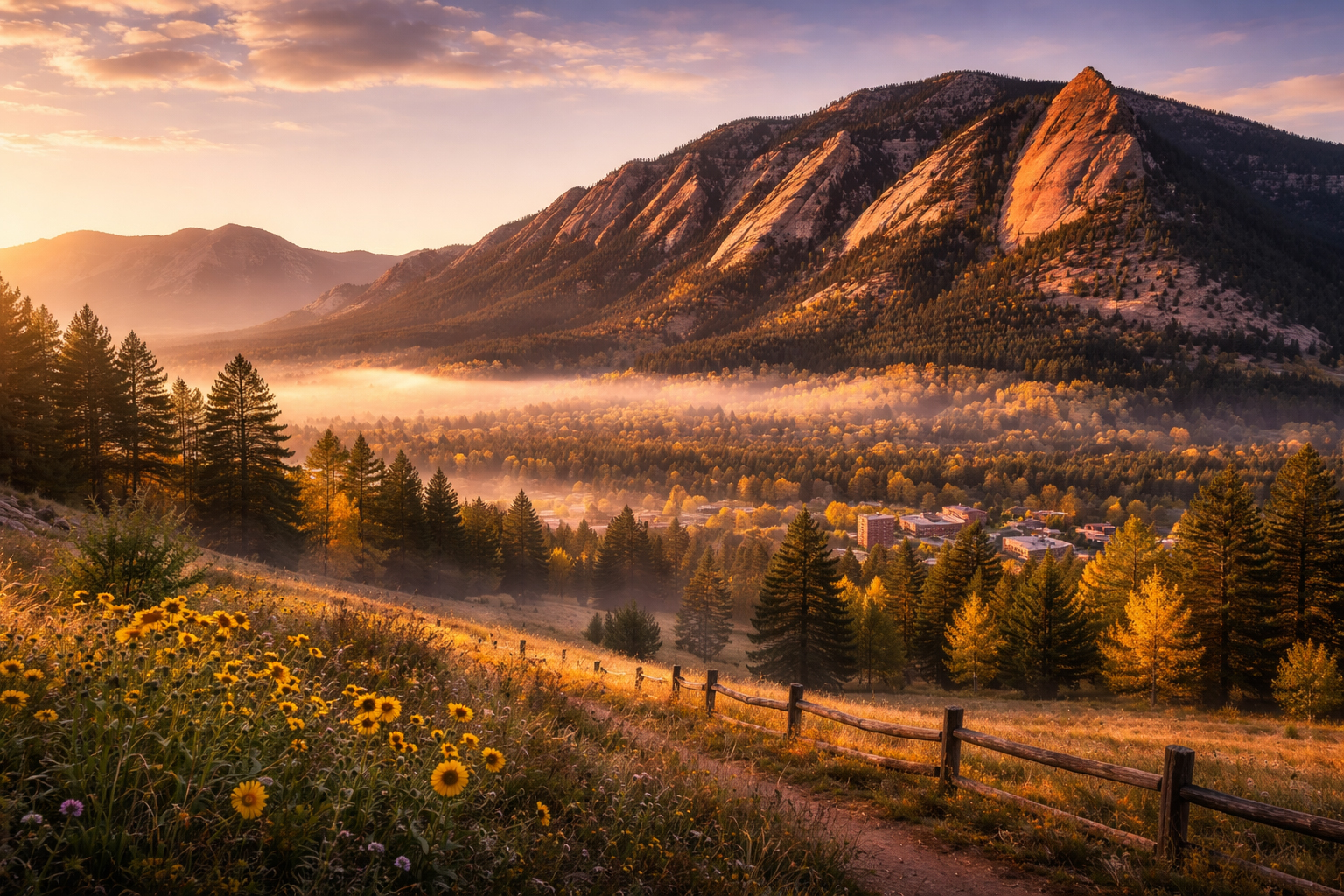
Why this feels emotionally familiar to Japan
Japanese travelers often seek not only famous attractions, but emotional coherence. A good trip has rhythm. There is movement, yes, but also reset. There is beauty, but also release. There are meals, landscapes, townscapes, and sights, but the body must be allowed to catch up with the eye.
Colorado hot springs do exactly that. They let a journey breathe. They make mountain travel less about checking viewpoints and more about inhabiting them. They are one of the best ways to keep Colorado from becoming only a visual experience.
There is another similarity too. Japan has long understood that bathing can be social without being loud. Colorado at its best understands this as well. The great joy of a hot springs destination is often not the performance of fun, but the easing of atmosphere. Families become calmer. Couples become quieter. Even friends seem to speak differently once the water has done its work.
In Pagosa Springs, this social calm takes on another scale entirely. The Springs Resort & Spa, in the town center beside the river, feels like one of the clearest expressions of how Colorado can combine hot-springs culture with a more developed resort experience. For travelers who want many pool options, a full-service property, and a feeling of indulgence alongside the ritual of soaking, it is a strong choice.
What all of these places share is a refusal to separate bathing from setting. That is the deepest common ground with Japan. Water matters, yes. But the place around the water matters just as much.
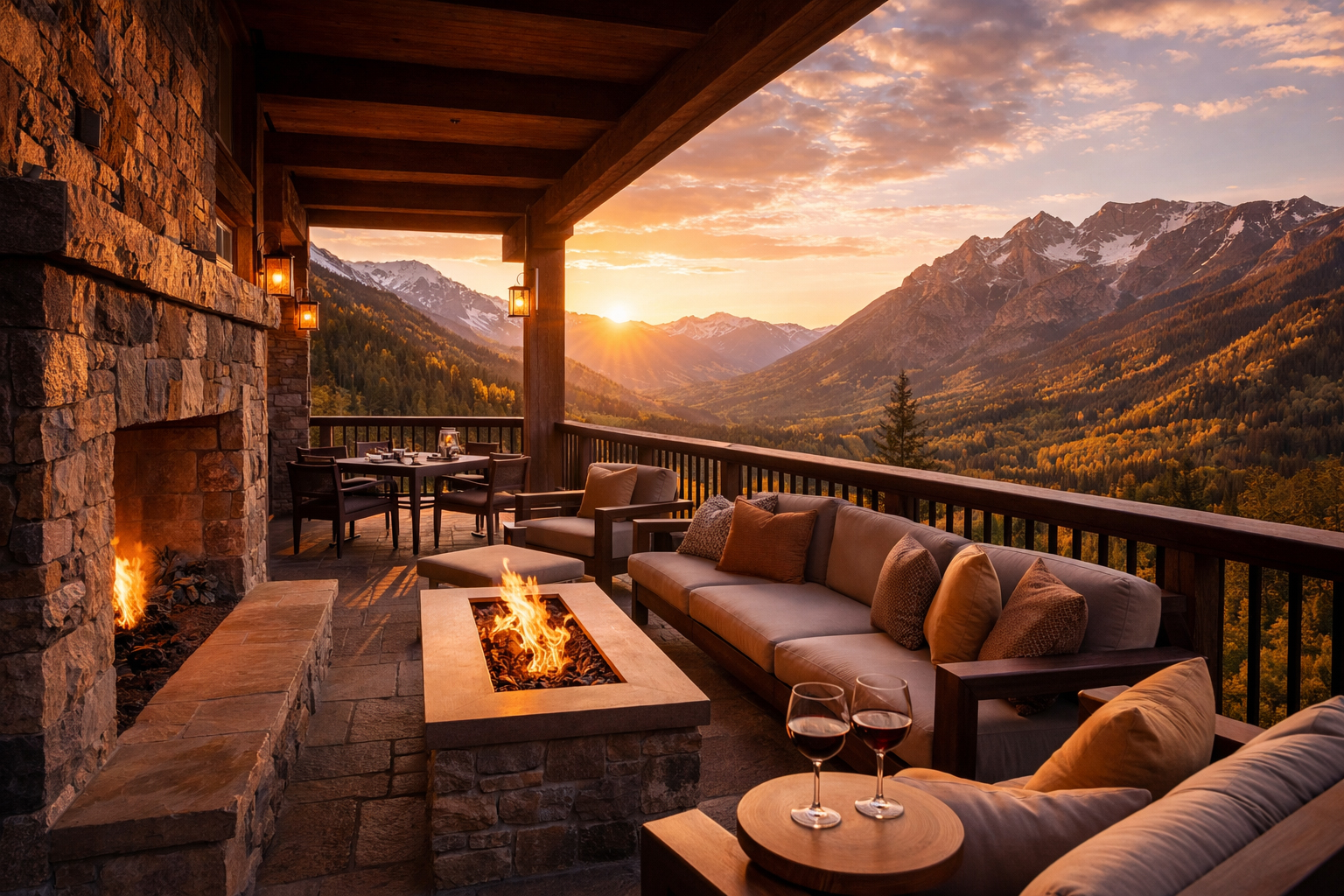
A different kind of western luxury
Luxury in Colorado is most convincing when it does not try to erase the West. It works best when it keeps the air sharp, the sky large, and the sense of land intact. Hot springs are one of the places where the state understands this instinctively.
The pleasure is not only in perfect service or elaborate spa architecture, though Colorado can provide those. The deeper pleasure is in the union of comfort and exposure. You are warm, but not sealed off. You are cared for, but still in relation to weather. You have entered a place of rest without leaving the landscape that drew you there.
This is exactly why Japanese travelers, especially those who already love onsen, ryokan rhythm, mountain travel, and restorative itineraries, are likely to feel a bond with Colorado’s hot-springs culture. It is not the same tradition. But it is a recognizably serious cousin.
Colorado’s hot springs offer a western answer to a Japanese question: how should a journey make the body feel?
The best answer is simple. Restored. Warmed correctly. More present to the mountain, not less. Less hurried. More aware of evening. Ready for dinner. Ready for sleep. Ready to remember the trip not only as scenery, but as care.
That is why Japanese travelers will love Colorado hot springs.