Every state needs a city where it can see itself gathered under a roof.
For Colorado, that city is Denver.
Denver is not the state’s only great place, nor even its most overwhelming one. Rocky Mountain National Park still overrules every argument with altitude. Aspen refines one version of mountain society. Boulder makes intelligence feel breathable. But Denver does something none of them can do in quite the same way. It turns Colorado into a public life.
Denver matters because it gives Colorado a room big enough to appear together.
That room is not only metaphorical. It exists in buildings, blocks, hotel lobbies, dining rooms, museum halls, train platforms, and sidewalks that know how to receive movement rather than merely process it. Denver’s strongest achievement is that it no longer feels like a city forever on the verge of becoming itself. It now behaves like a place that understands its role: part capital, part crossroads, part social stage, part urban answer to a largely mountainous state.
The station city
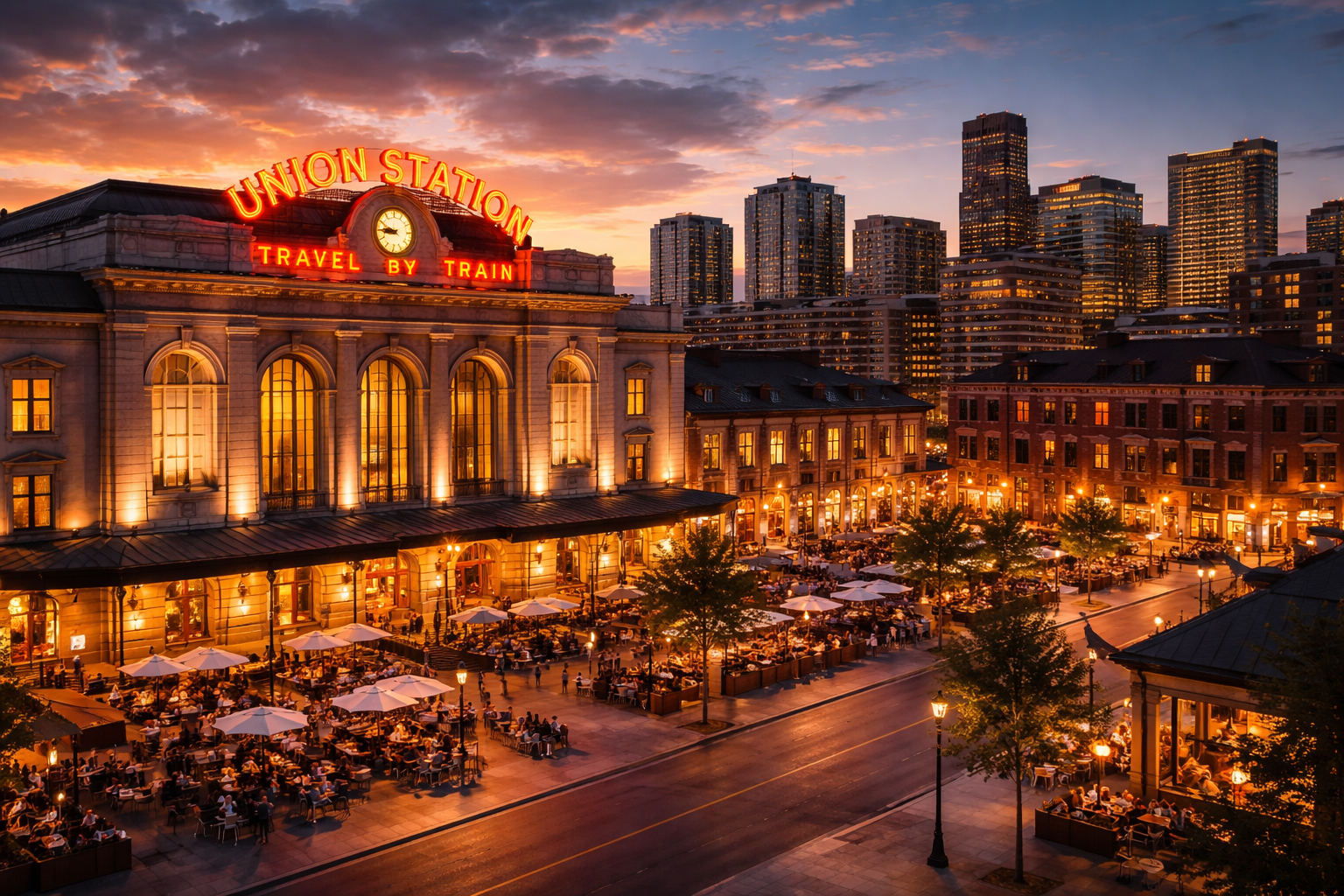
Union Station remains the clearest place to begin because it concentrates so much of Denver’s present identity into one building. The station is handsome, active, historic, and socially persuasive all at once. The Great Hall makes arrival feel ceremonial. The Crawford Hotel above it adds habitation to movement. Restaurants and bars around and inside the building turn transportation into evening. It is difficult to think of another single address that explains modern Denver so efficiently.
This is why Union Station matters to the whole state. Colorado is a place of roads, passes, airports, drives, scenic routes, and difficult distances. Denver Union Station converts that old logic of arrival into a new public form. The traveler enters not merely a transit point, but a civic room.
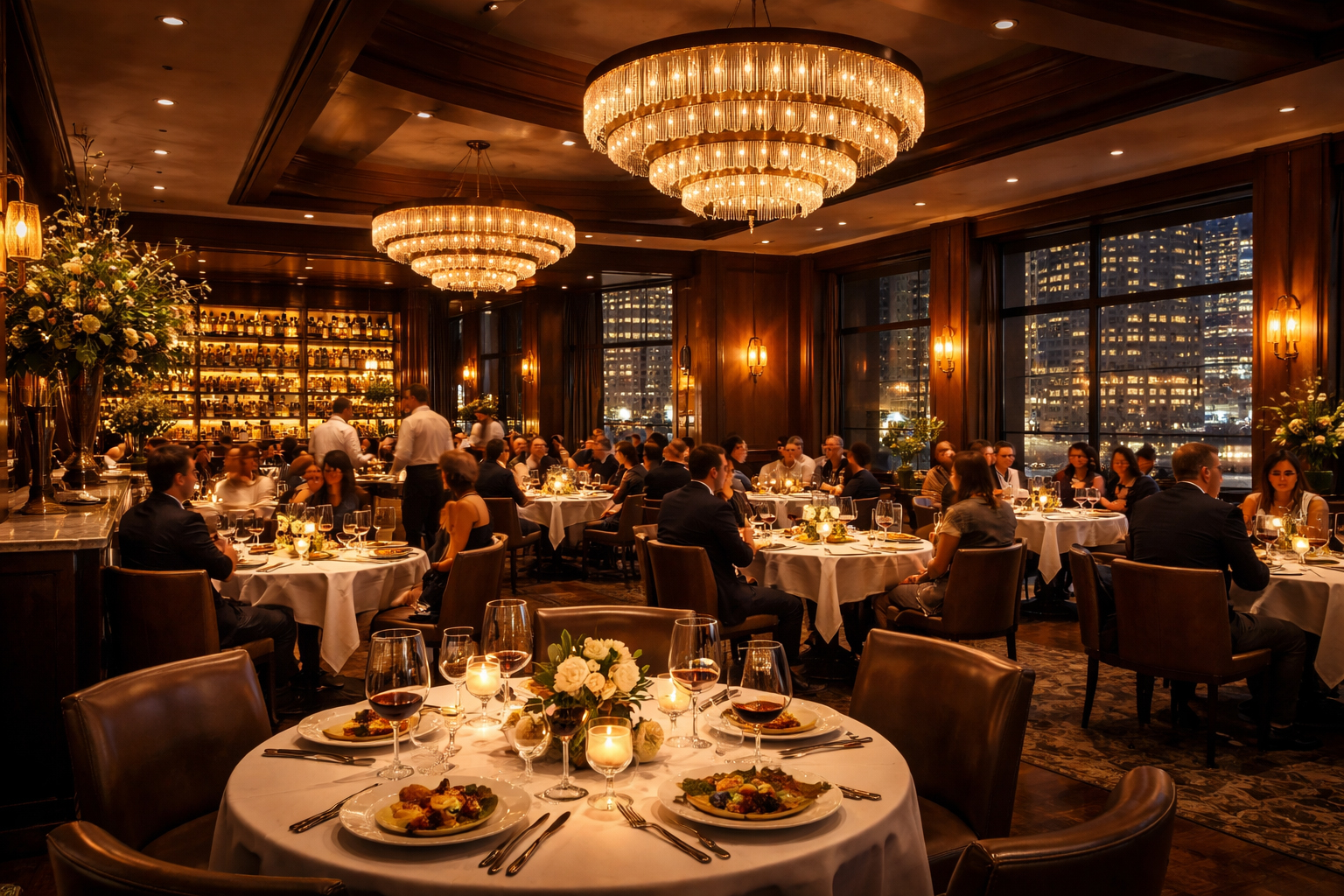
Nearby, Tavernetta, Mercantile, and the broader LoDo district carry that mood outward. Dinner there does not feel detached from the city’s larger character. It feels like a continuation of it.
A capital becomes believable when arrival itself starts to feel like part of the city’s culture.
The old blocks and the old hotels
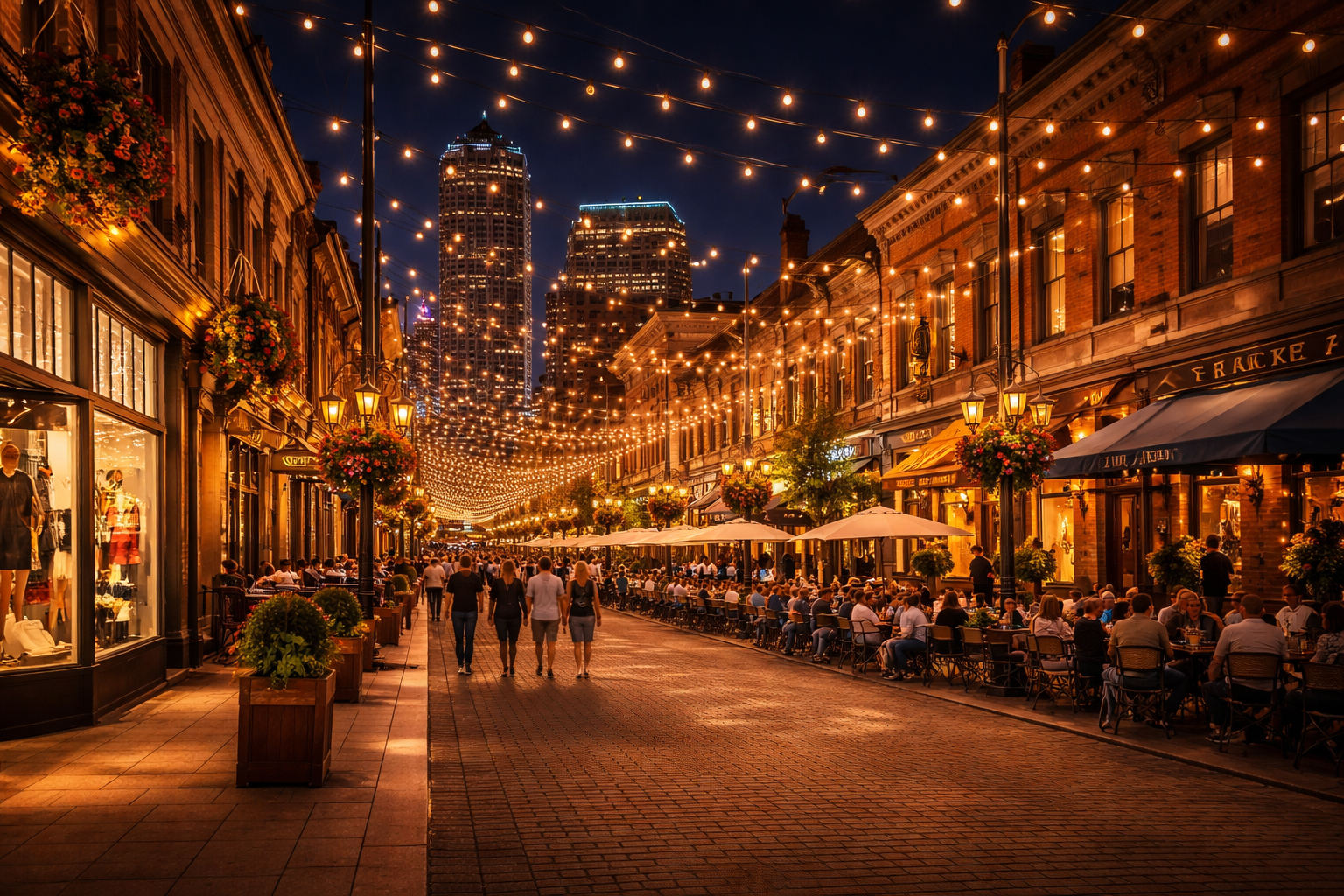
Denver also needs memory, and it keeps some of its most useful memory in restored districts and historic hotels. Larimer Square still holds onto the fact that Denver began somewhere specific. It gives the city a smaller, warmer, more intimate register than Union Station, and that difference is important. Cities need grand civic rooms, but they also need streets that can hold dinner and glow without turning theatrical in a false way.
The Brown Palace and The Oxford Hotel play a different but equally necessary role. They preserve the older social weight of Denver. Without them, the city’s newer confidence might feel too recently manufactured. With them, Denver gains continuity. The point is not nostalgia. The point is ballast.
That ballast helps explain why Denver now feels more complete. Its best present-tense pleasures are no longer floating above history. They are sitting on top of it.
The museum city
A real capital city must gather more than commerce and pleasure. It must also gather attention. The Denver Art Museum helps do that. It gives the city one of its strongest visible claims to cultural seriousness and reminds visitors that Denver is not only where Colorado eats, sleeps, and passes through. It is also where the state thinks publicly about art, memory, identity, and the shape of its own imagination.
Museums matter in capital cities because they convert population into audience. They ask the city to pause and look at itself through another medium. Denver benefits from this. The state’s broader story becomes more legible when civic culture has an address.
Denver gathers Colorado not only at the table, but in the gallery, the lobby, the station hall, and the restored block.
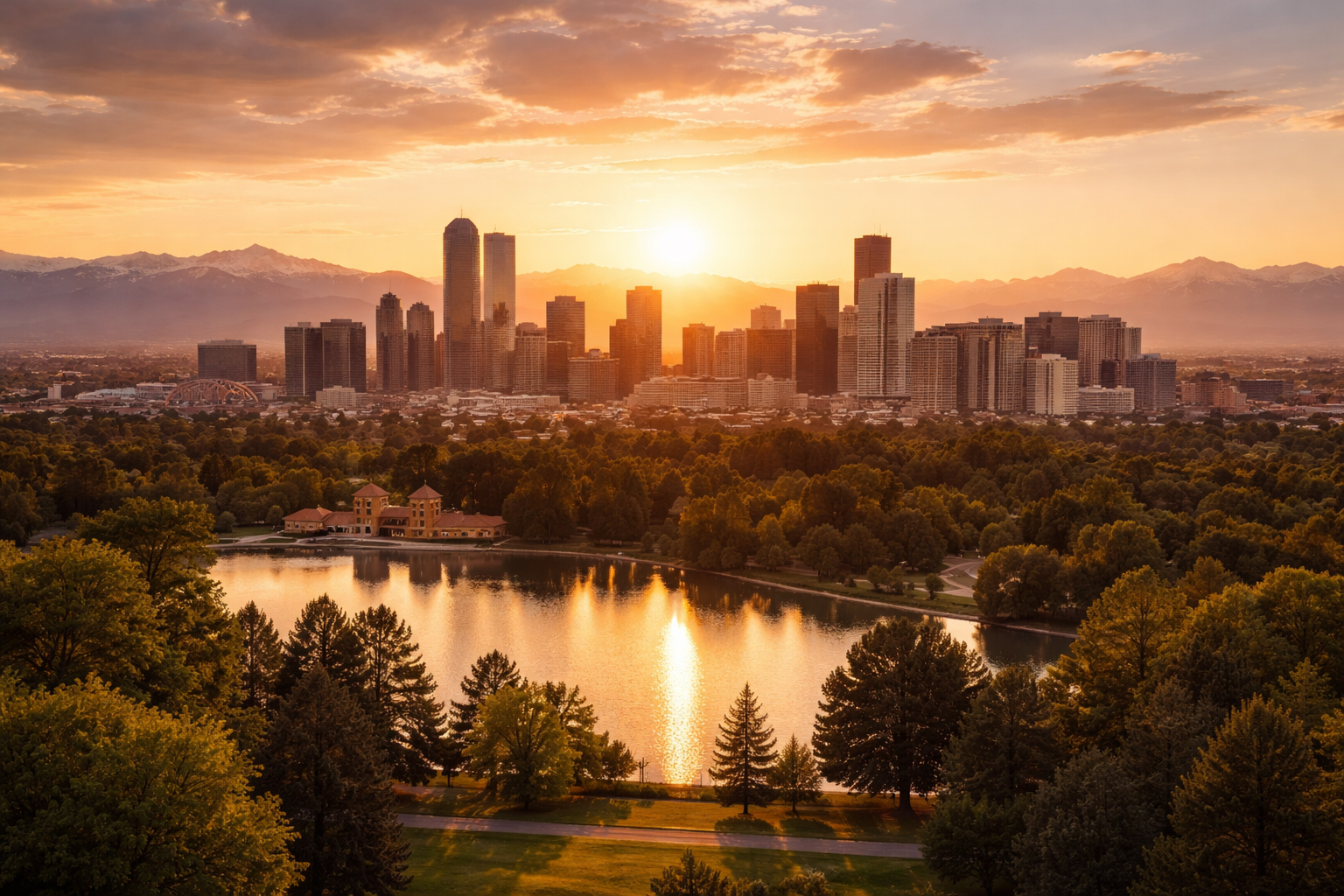
The city in sequence
What finally makes Denver persuasive is sequence. A city walk from Union Station. A hotel with memory. A museum afternoon. A dinner reservation. A block like Larimer Square after dark. A room upstairs. A train line below. A coffee the next morning before the rest of the state spreads back outward again.
This sequence gives Denver its dignity. It gathers the state without claiming to replace it. Colorado still lives most vividly in mountains, weather, roads, and open land. Denver does not deny that. It translates it into a public urban rhythm.
That is why Denver deserves its own section in Becoming Colorado. It is the city where Colorado gathers itself not because it contains everything the state is, but because it gives the state a place to appear together long enough to look like a common story.