Every state needs a city where it can see itself in public.
For Colorado, that city is Denver.
This does not mean Denver contains all of Colorado’s beauty, or all of its intelligence, or all of its appetite. It does not. Aspen refines one dream of mountain society. Boulder gives the state a city of air and thought. Rocky Mountain National Park reminds everyone that Colorado’s final authority is still geological. But Denver does something no other place in the state can do quite as convincingly. It gathers all those impulses into one civic scene and makes them legible together.
Denver matters because it turns Colorado from a collection of landscapes into a public life.
That public life is what makes the city increasingly persuasive. Denver does not only work as a place of offices, hotels, flights, or sports crowds. It works as a stage on which Colorado can assemble itself: dining, arguing, funding, celebrating, wandering, opening exhibits, restoring buildings, and continuing the western habit of reinvention in a more urban key.
The station as civic room
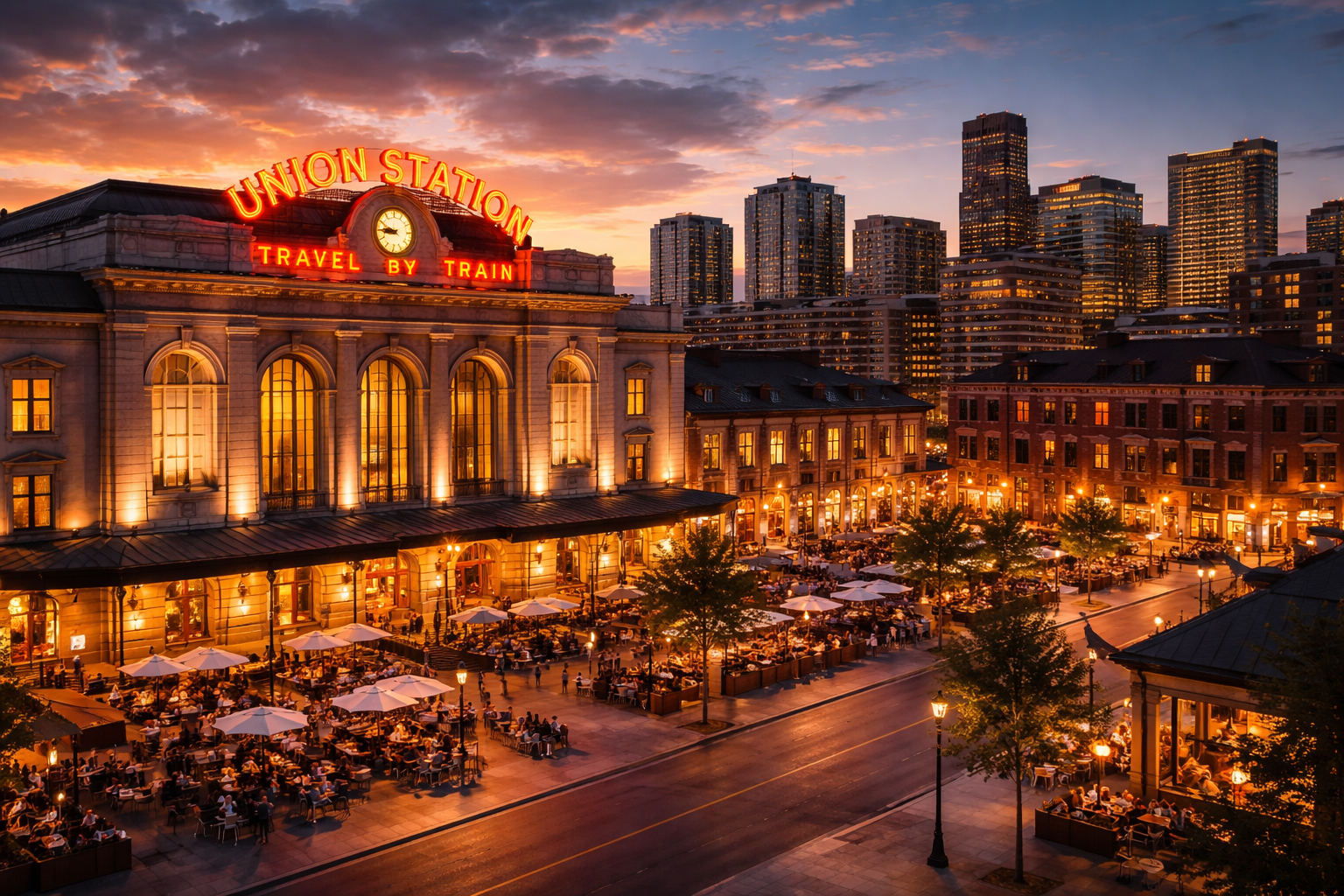
Denver Union Station is the clearest expression of this urban role. The building’s own language is useful here: a beloved landmark in LoDo, a paragon of historic preservation and urban renewal, and a destination for gathering, dining, shopping, and staying the night. That is not exaggeration. Union Station has become one of the places where Denver learned how to host publicly again. :contentReference[oaicite:1]{index=1}
Opened in 1881, rebuilt in 1914, and reimagined in 2014, the station carries enough historical depth to feel authoritative and enough current life to avoid becoming a monument to its own rescue. The Crawford Hotel, occupying the upper floors, extends the building’s social life upward and makes arrival itself feel ceremonial. Dinner, a drink in the hall, a room above the tracks, then the city just outside the doors — this is not only hospitality. It is civic choreography. :contentReference[oaicite:2]{index=2}
Around the station, Tavernetta at 1889 Sixteenth Street, Mercantile at 1701 Wynkoop Street #155, and Ultreia inside the station at 1701 Wynkoop help explain why Denver feels more complete now than it once did. These are not just isolated good restaurants. They are rooms inside a district that knows what kind of evening it wants to produce. :contentReference[oaicite:3]{index=3}
The old blocks that kept the city human
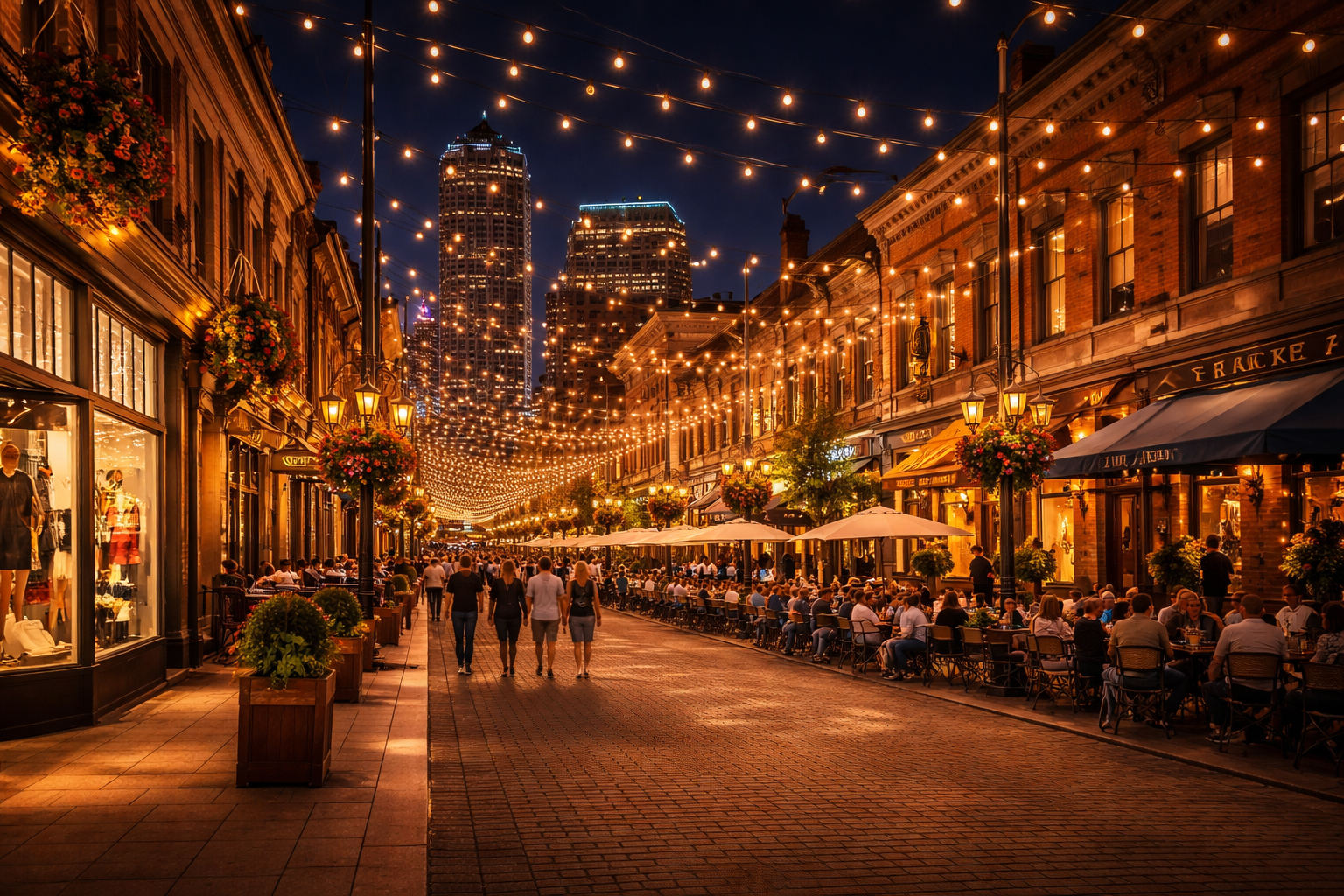
A capital city also needs memory, and Denver keeps some of its most useful memory in places like Larimer Square and the old hotels downtown. Larimer Square remains one of the clearest pieces of evidence that restoration can be social rather than merely nostalgic. The block still holds brick, glow, and enough intimacy to make dinner feel attached to the street instead of sealed off from it. :contentReference[oaicite:4]{index=4}
The Oxford Hotel at 1600 17th Street and The Brown Palace at 321 17th Street preserve another kind of ballast. They remind the visitor that Denver’s present polish did not come from nowhere. The Oxford still stands close enough to Union Station to share in LoDo’s revived confidence, while The Brown Palace remains one of the grand old downtown answers to the question of how a western capital should receive guests. :contentReference[oaicite:5]{index=5}
Cities become believable when their newest confidence can still recognize their oldest rooms.
That is one reason Denver works. Its restored districts and historic hotels are not merely there for texture. They give the city continuity. Without them, Denver might feel too quickly assembled. With them, it gains civic depth.
The museum city, the capital city
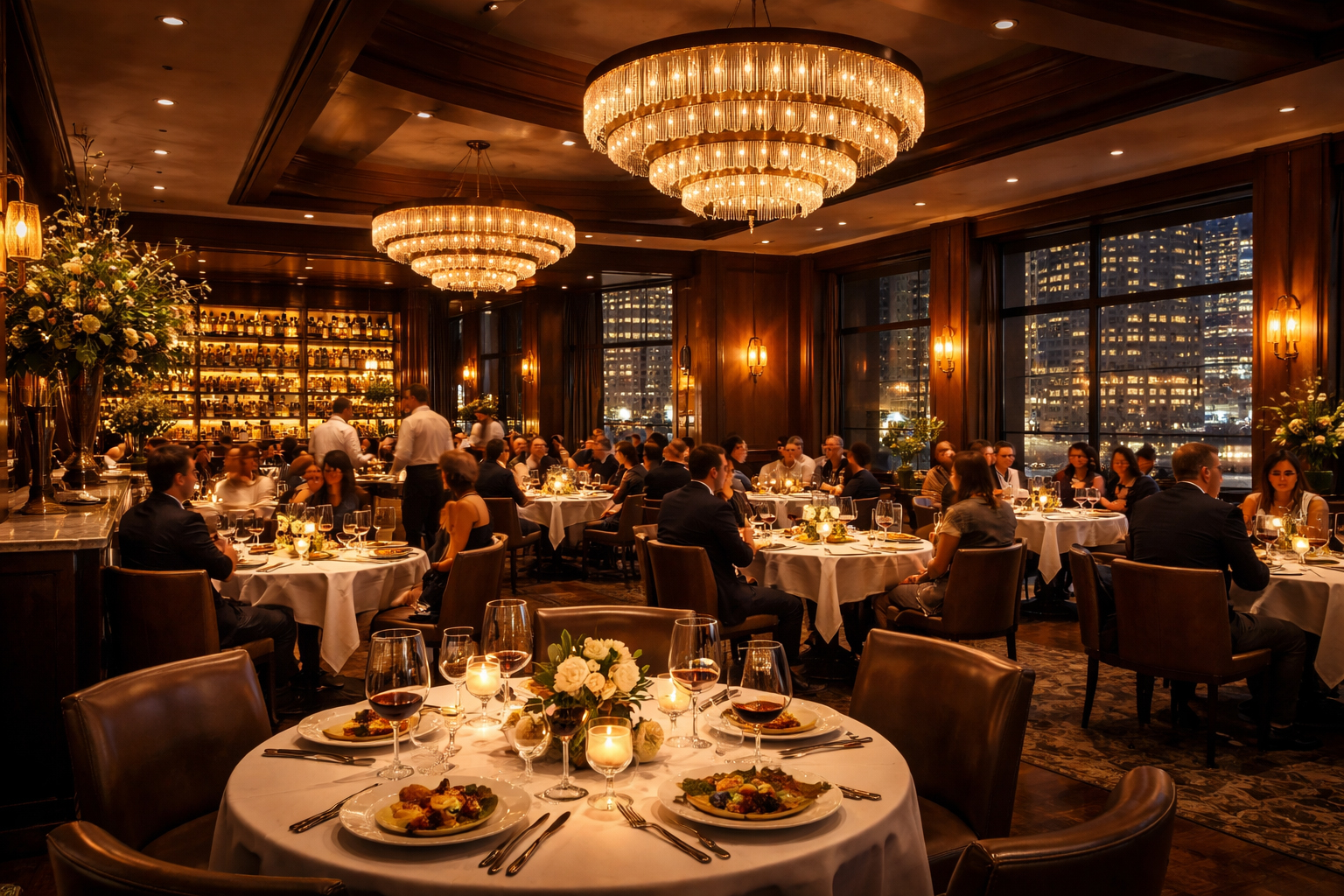
Denver also gathers Colorado through culture. The Denver Art Museum at 100 W 14th Avenue Parkway gives the city one of its clearest institutional proofs that civic seriousness belongs here too. It is not only a visitor attraction. It is one of the places where the state’s public imagination becomes visible. Museums matter in capital cities because they convert population into audience, and audience into civic memory. :contentReference[oaicite:6]{index=6}
This is part of what makes Denver different from simply being a prosperous regional center. It has the infrastructure of gathering: stations, hotels, museums, public squares, dining districts, and the expectation that people from different parts of the state will converge here for reasons beyond necessity. Denver is where Colorado comes to see itself dressed for the evening and arguing in public about what kind of place it wants to become.
A real capital is not only where government sits. It is where a state learns how to appear before itself.
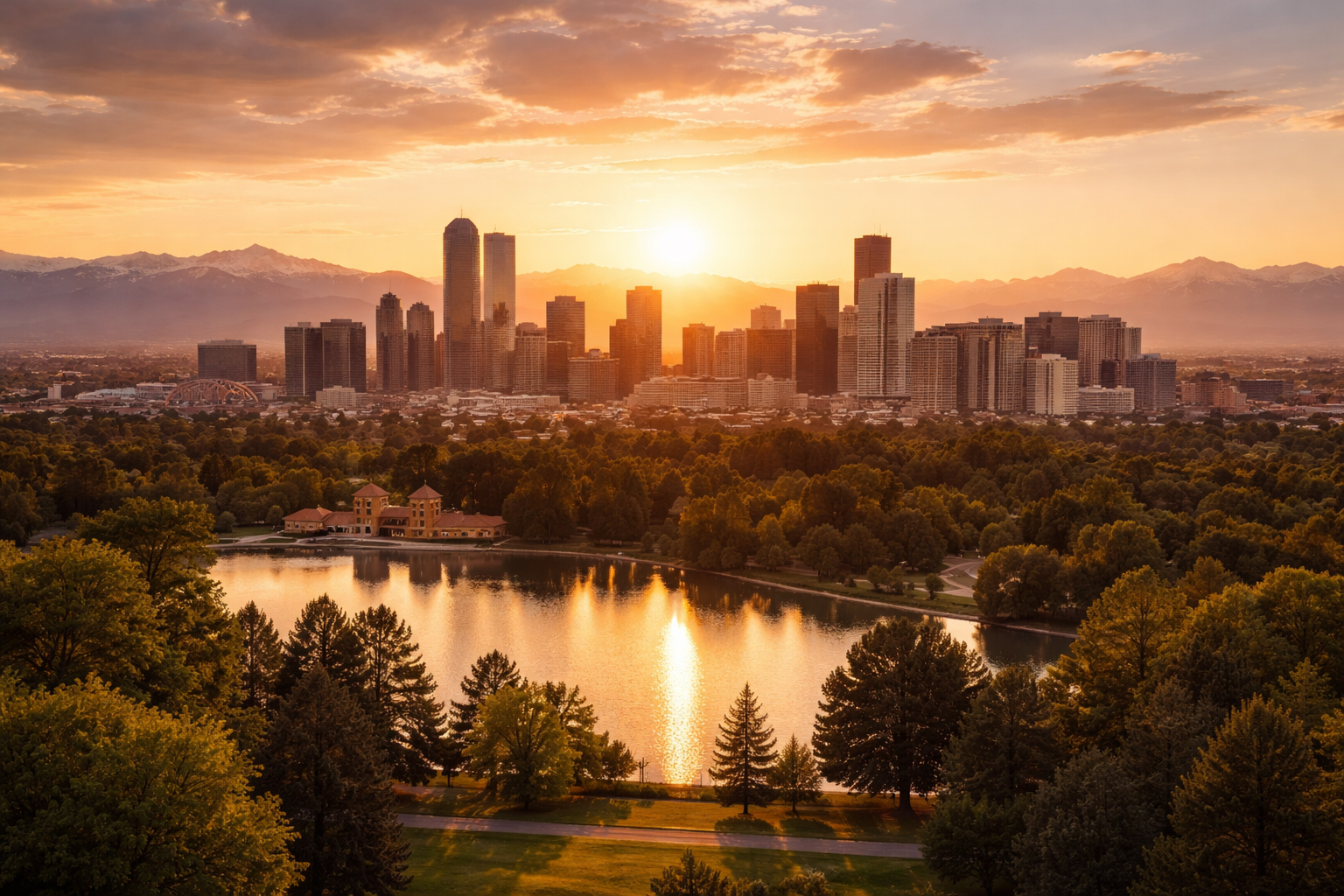
Why Denver matters now
Denver’s importance has grown because it no longer feels like it is auditioning. The city once often seemed described in the future tense, as if always about to become itself. That mood has changed. Now the stronger impression is of a city inhabiting its role with more ease. Union Station, LoDo, Larimer Square, the old hotels, the art museum, the dining rooms, the bars, and the surrounding streets all participate in a broader civic composure.
This does not mean Denver is finished, or flawless, or free of the tensions that belong to successful western cities. It means only that the city now has enough self-belief to gather the state without embarrassment. Colorado can arrive here from the mountains, the plains, the lab, the ranch, the resort, the campus, the airport, the museum, the hearing room, and the dinner reservation — and Denver can hold those identities in one frame long enough to make them feel like a common public story.
That is why Denver is the city where Colorado gathers itself. Not because it contains everything the state is, but because it gives the state a place to appear together.