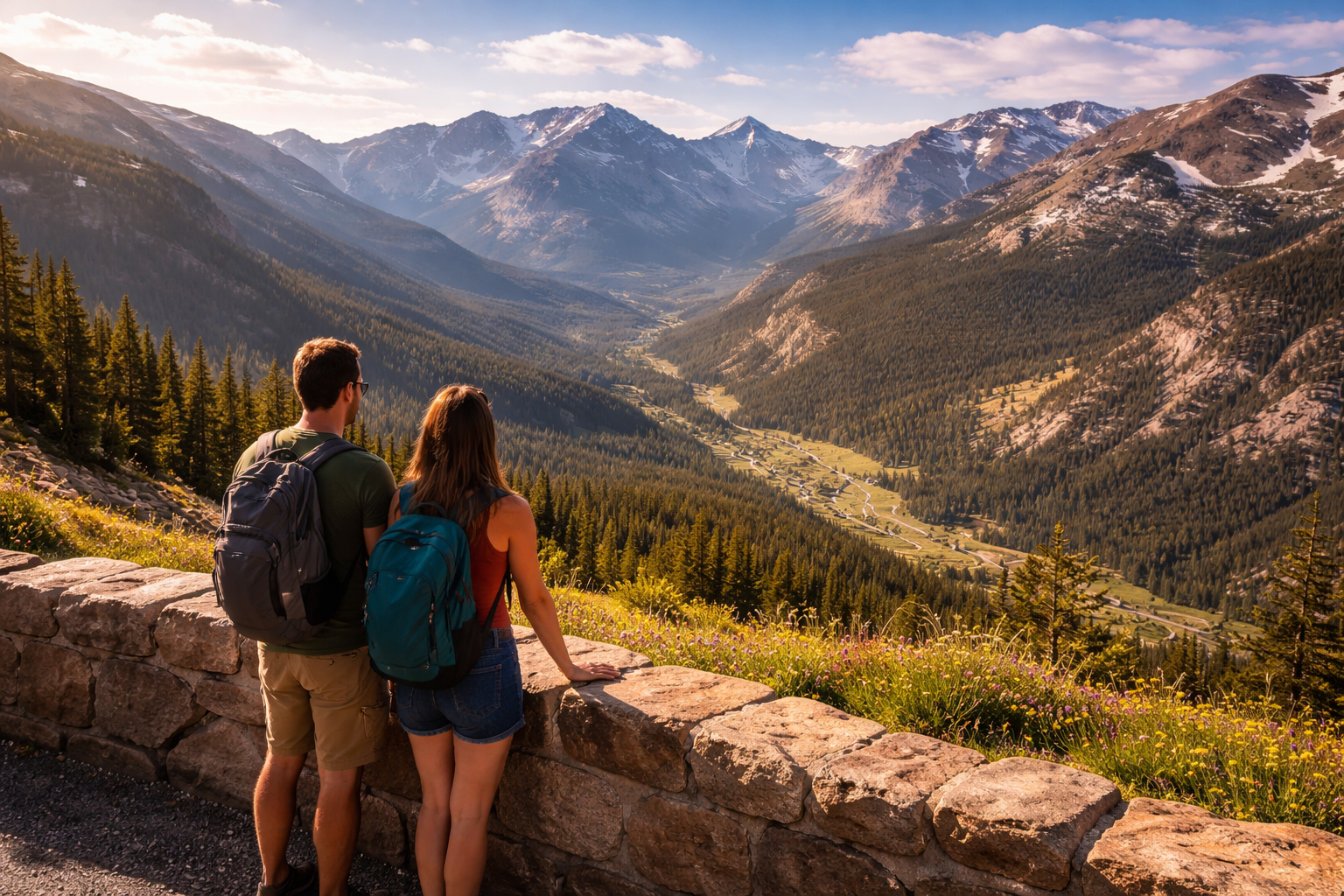
A great national park does more than look beautiful. It changes the size of your thoughts.
Rocky Mountain National Park has this power in abundance. It begins with the road out of town, the visitor center, the first long view, the realization that the air already feels different. Then the park continues its argument through roads and trailheads, through elk meadows and tundra, through cold water held high in granite, and through the peculiar silence that can still survive even in a place famous enough to be crowded.
What makes the park so memorable is that its beauty never becomes merely decorative. It remains instructive. It teaches through altitude, through weather, through the body’s own responses, and through the simple fact that the traveler quickly understands how provisional human plans become in real mountain country.
Rocky Mountain National Park is one of Colorado’s deepest truths: a public landscape that still retains enough severity to make beauty feel earned.
The east side through Estes Park gives the park one kind of threshold: accessible, organized, slightly ceremonial, and well supplied with gateway-town comforts. The west side through Grand Lake gives another: quieter, softer in tone, more lake-centered, and often emotionally gentler after the higher and harder alpine reaches. Between them lies one of the great mountain sentences in America.
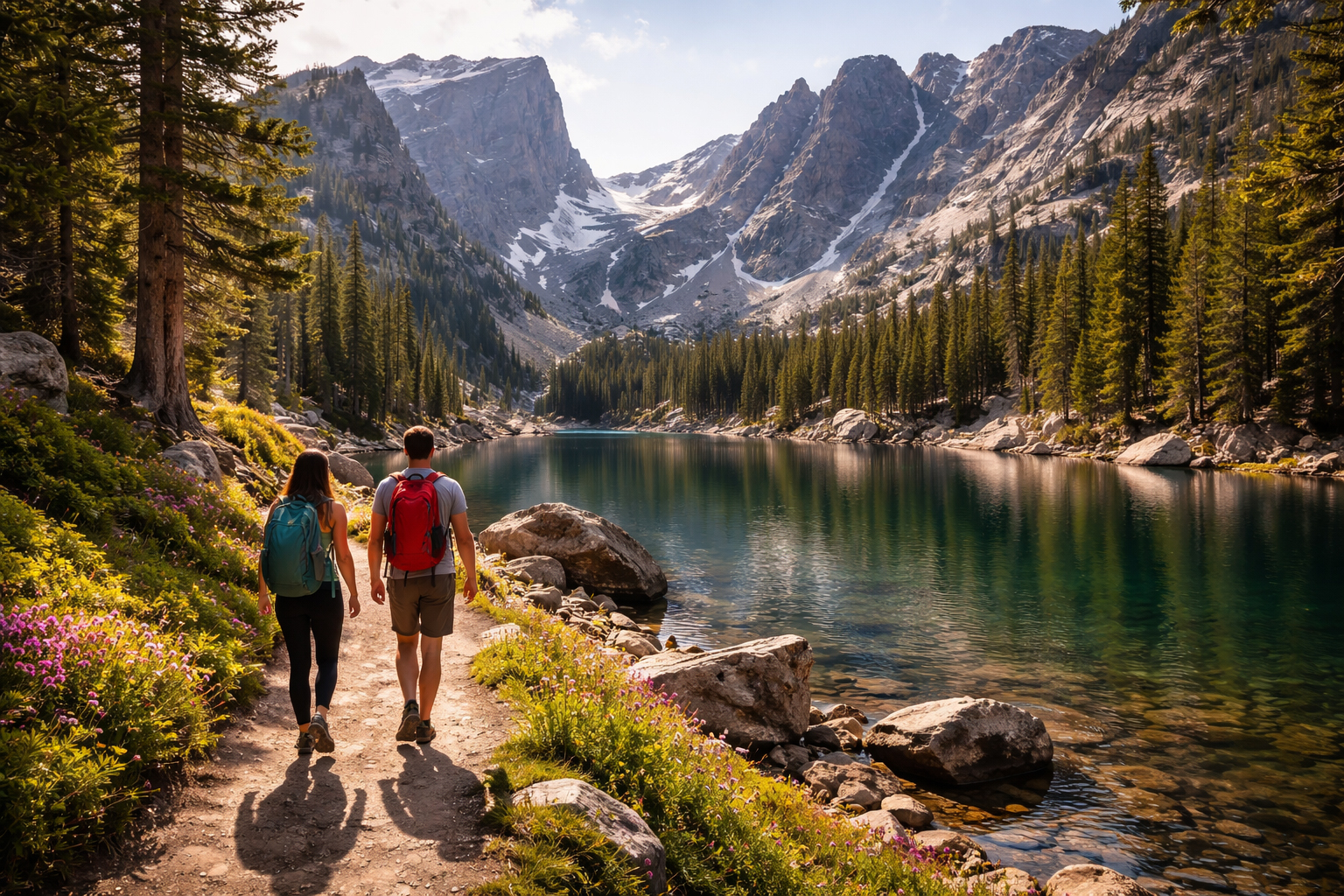
Road, water, weather, animal life
Every visitor arrives wanting something slightly different. Some come for Trail Ridge Road, one of the great alpine drives in North America. Others come for alpine lakes and the trail systems of Bear Lake and Glacier Gorge. Others want moose country on the west side, or elk in Moraine Park, or the broader revelation of altitude itself. The good news is that Rocky Mountain National Park is large enough to support all of these desires. The harder truth is that the park asks you to choose how you want to know it.
This is why planning matters here. Timed entry, road conditions, visitor centers, early starts, layered clothing, realistic trail expectations — none of these things diminish the romance. They protect it. A landscape this significant should not be approached carelessly. The park rewards attention.
That attention begins with the right threshold. Beaver Meadows Visitor Center gives shape to the eastern entrance and helps orient the traveler toward the wider system of roads, trailheads, and conditions. Fall River Visitor Center and Alpine Visitor Center frame the road upward. Kawuneeche Visitor Center on the west side helps the visitor understand how different the park can feel once the high drama softens into valley and water.
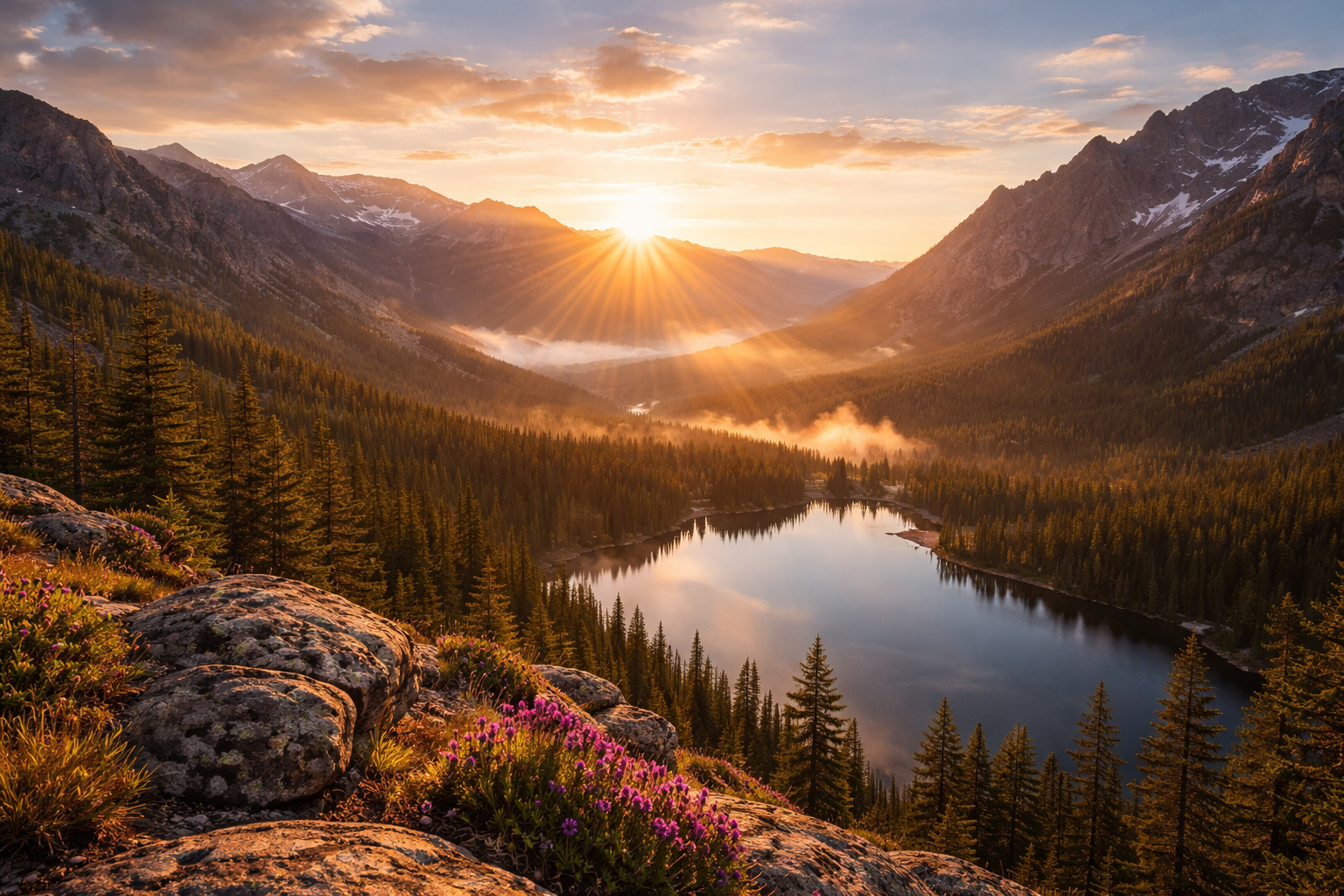
Where to stay, where to land
Rocky Mountain National Park is not improved by trying to do too much in one day. The stronger approach is to give the park a proper beginning and a proper ending. Estes Park and Grand Lake provide those endings in very different keys.
Estes Park remains the practical and emotional base for many visitors, and for good reason. The Stanley Hotel lends a bit of western grand-hotel theater to the eastern gateway. YMCA of the Rockies offers a more expansive family and group-oriented base close to the park’s mood if not its polish. Bird & Jim and Twin Owls Steakhouse are among the best answers to the question of what should happen after a day of trail, altitude, and weather. The body wants a room and a meal. Estes knows this.
Grand Lake, on the west side, softens the mood. Here the mountain day lands in boardwalk calm, lodge porches, lake water, and a more measured pace. Grand Lake Lodge is one of the best west-side endings in Colorado. The Gateway Inn is another strong choice. Sagebrush BBQ & Grill and the Historic Rapids Lodge Restaurant give the traveler satisfying ways to return to human scale after the park has finished instructing them.
A great park day deserves a good threshold, a serious middle, and a graceful landing.
That is the right way to think about this section. It is not simply a place to find hikes or roads. It is a place to understand how Rocky Mountain National Park arranges a full experience: the entry, the drive, the trail, the weather, the animals, the silence, the meal afterward, and the room where the body begins to return from altitude.