Some places excite you. Boulder does something quieter. It adjusts you.
That adjustment begins almost immediately. The light is cleaner than expected. The air feels edited. The mountains are not just visible; they remain present in a way that keeps the city honest. Streets are walkable without pretending to be grand. Cafés feel occupied without feeling frantic. People move quickly, but not violently. Even the most ordinary hour in Boulder seems to contain a small argument in favor of living better.
This is why the city feels restorative to so many people. Restoration is not only a matter of spa treatments, yoga classes, expensive supplements, or the general performance of wellness. Those things can exist anywhere. What makes Boulder different is that restoration feels built into the relation between the city and its setting. The horizon is close enough to remain morally useful. The streets are lively enough to prevent isolation. The institutions are serious enough to keep the place from dissolving into mere lifestyle fantasy.
Boulder feels restorative because it does not ask you to choose between city life and recovery. It quietly suggests that city life itself might be arranged more recoverably.
That is one of the city’s deepest attractions. Boulder has become famous for health, movement, mountain access, and intelligent living, but the cliché undersells the experience. The city is not only “healthy.” It is clarifying. It lets the body and mind arrive at something like the same pace.
The gift of a walkable mind
A restorative city is almost always a walkable one. Boulder understands this instinctively.
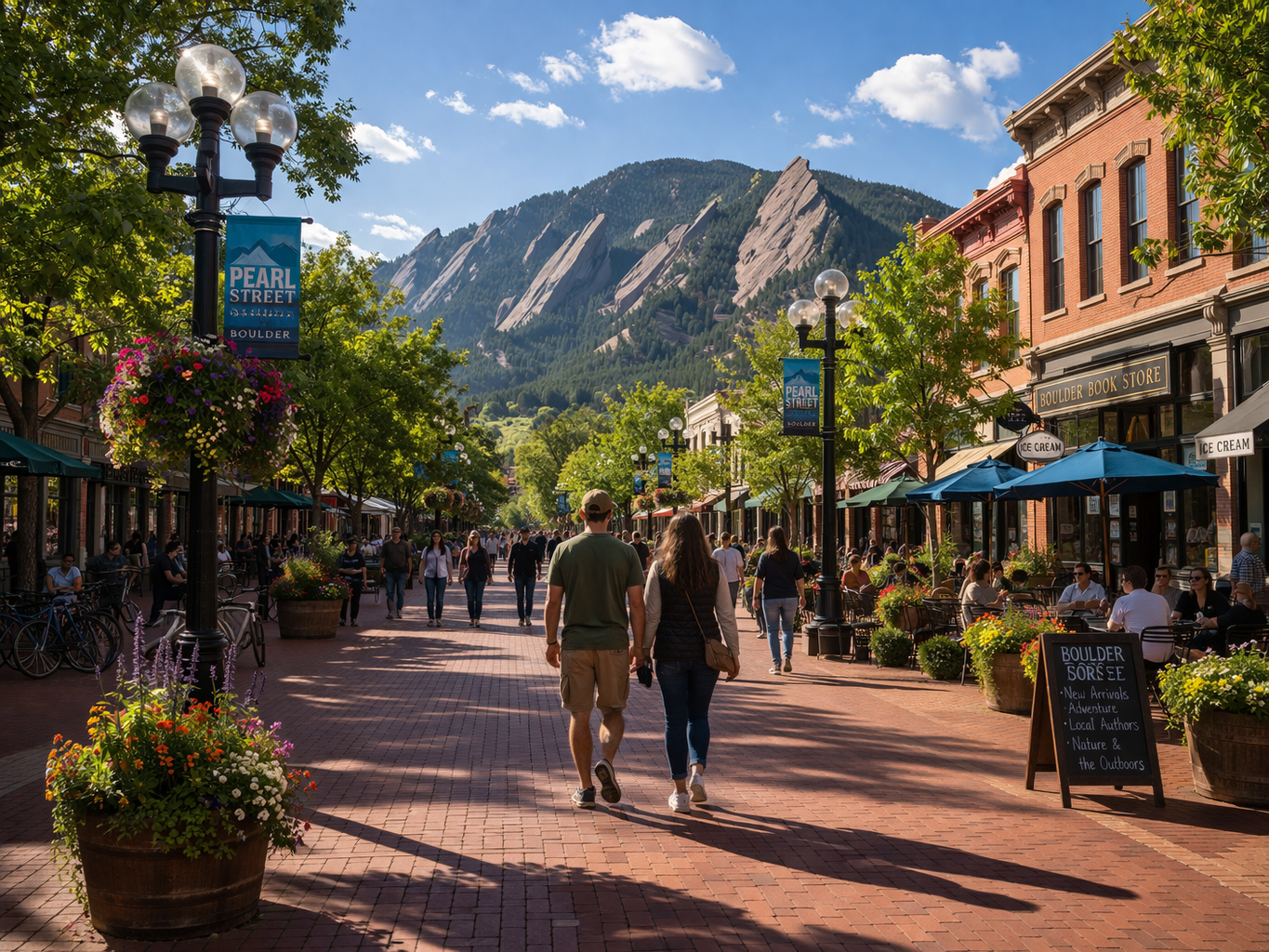
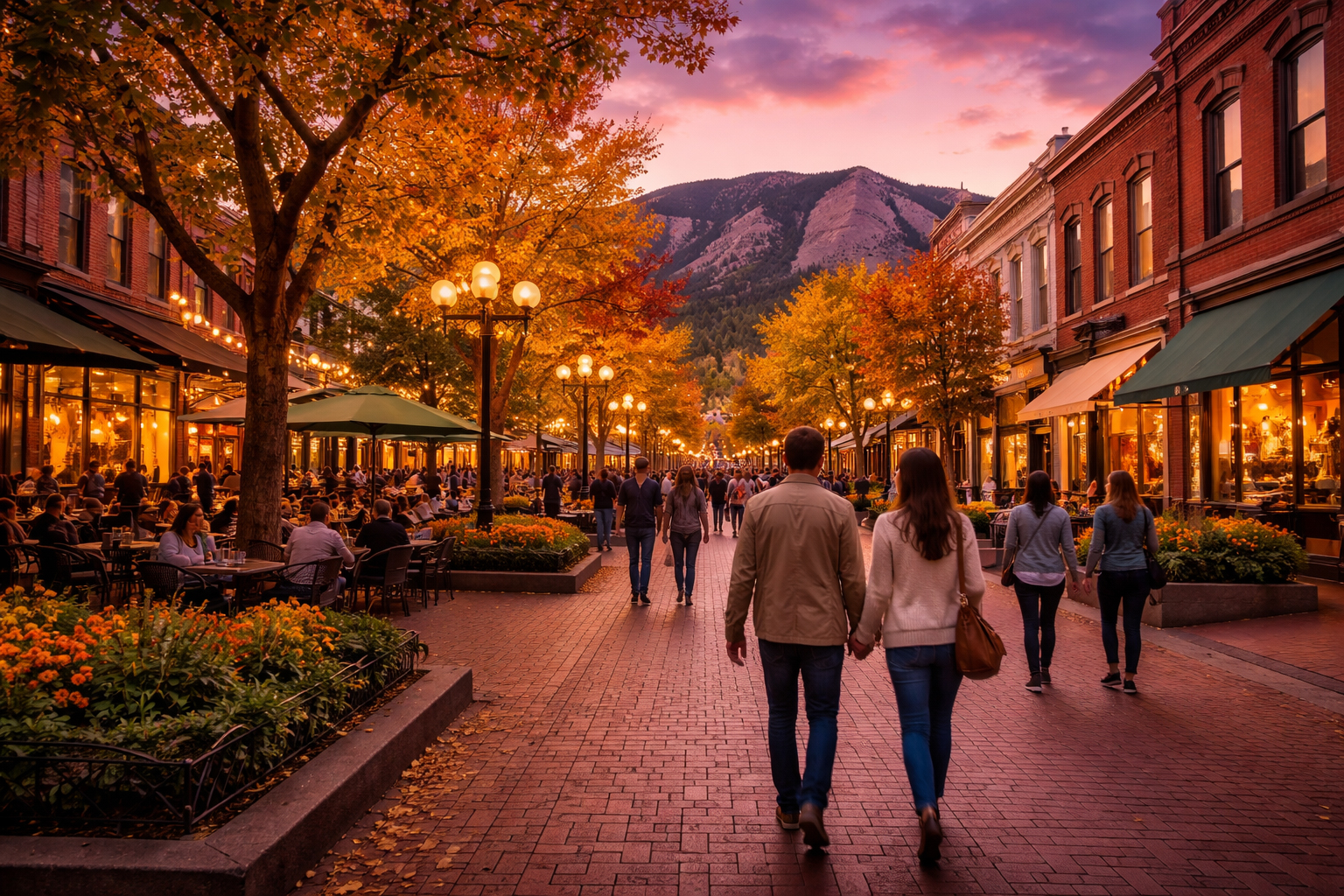
Pearl Street is not merely a district of shops and restaurants. It is one of the city’s central emotional technologies. It slows the day without making it dull. It provides motion without requiring speed. It gives people a place to browse, linger, drink coffee, eat, talk, and observe one another without the strain that larger cities often impose on the same pleasures. A person can move through Pearl Street and feel that the city has made room for ordinary life to occur attractively in public.
This matters more than it sounds. Public ease is one of the least discussed forms of wellness. A city that lets you move without friction, sit without pressure, and look around without feeling harried has already done a great deal for the nervous system.
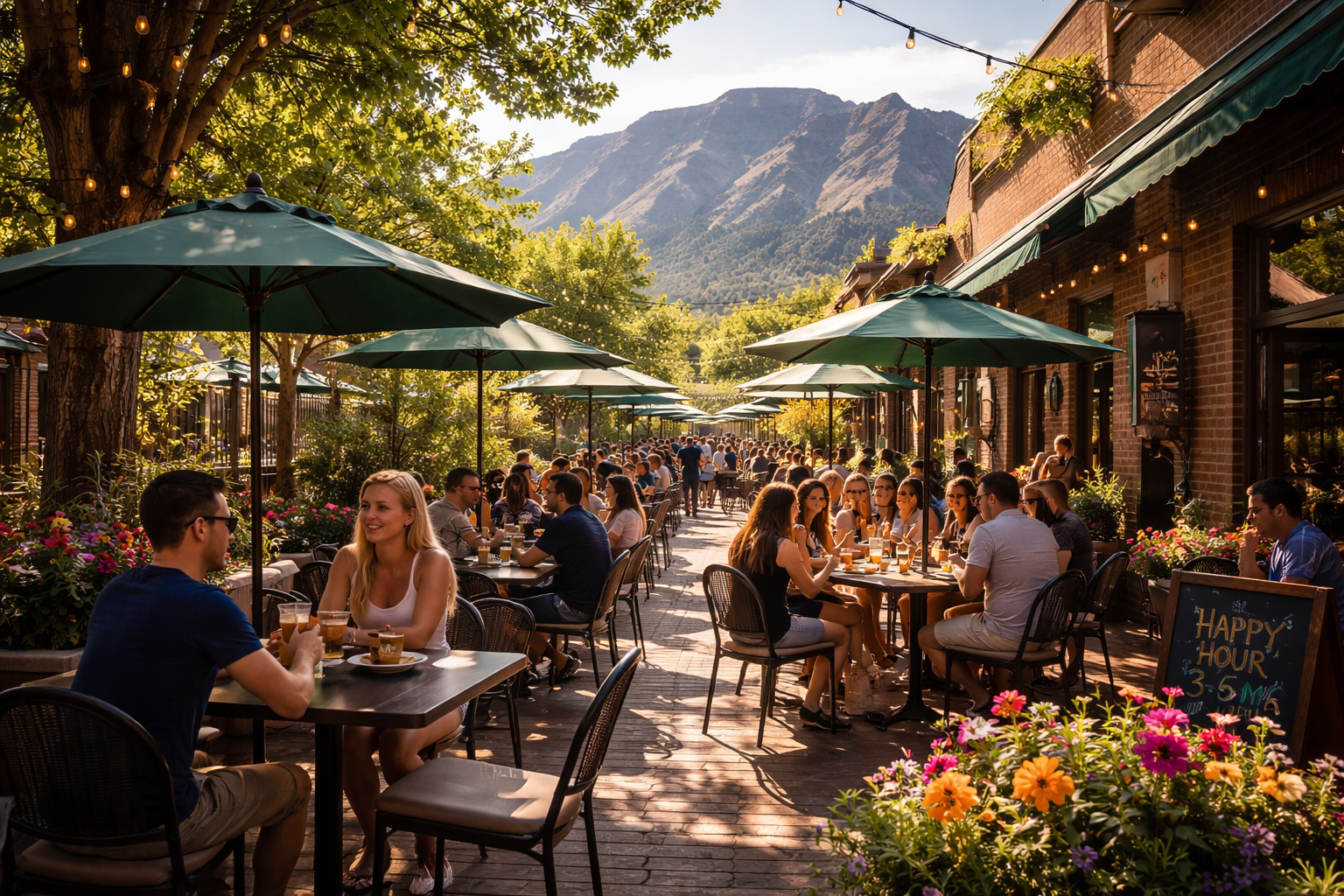
Boulder has several places that sharpen this effect. The Boulder Dushanbe Teahouse offers one of the city’s most charming forms of restoration: tea, ornament, an almost improbable calm, and the quiet permission to linger. Alpine Modern, in a different register, gives Boulder another restorative idiom — design-minded coffee, understated atmosphere, and the sort of room that makes a person want to stay slightly longer than planned.
Restoration does not always arrive in silence. Sometimes it arrives in a beautiful room where time stops behaving so aggressively.
The mountain at the edge of the city
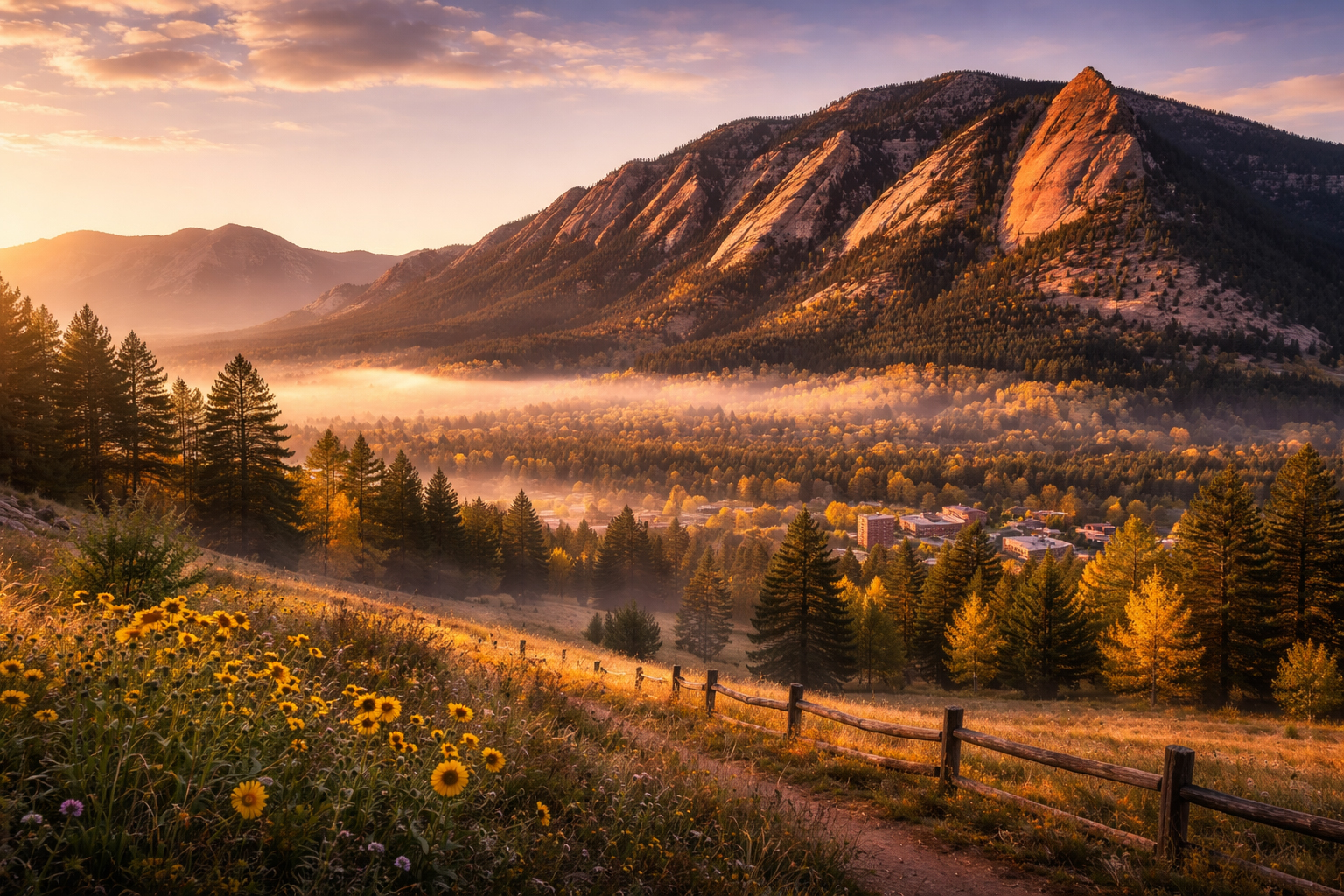
Another part of Boulder’s restorative power comes from how quickly the city can become more elemental. Chautauqua is the clearest expression of this. Here, the town gives way to trailhead, meadow, lodge porch, and the rising wall of the Flatirons. Even before a hike begins, the atmosphere has shifted. The city has not disappeared, but it has been subordinated to a more spacious order.
This is one of Boulder’s great civilizing gifts. You do not need a major expedition to feel reoriented. A walk near Chautauqua, breakfast or lunch at the Dining Hall, an hour of sun and breeze, a look back toward town — these can be enough. Restoration in Boulder often depends less on grand gestures than on repeated, well-placed transitions between urban life and mountain nearness.
That is also why the city can feel especially good to travelers. Many destinations require you to commit fully either to activity or to retreat. Boulder offers a rarer balance. You can think, walk, eat well, sleep well, and remain in visible relationship to the land all in a single day. The effect is cumulative. By evening, the body feels like it has been treated with more intelligence than usual.
The rooms that understand Boulder
Certain hotels and dining rooms help make this restorative mood legible. St Julien Hotel & Spa may be the clearest example because it stands at a useful intersection: downtown enough to give access to Pearl Street, elegant enough to make the city feel finished, and close enough to the Flatirons to preserve Boulder’s larger setting. It does not try to compete with the landscape. It frames it.
Inside the same property, Jill’s Restaurant & Bistro extends that frame into food, making a mountain-facing meal feel like part of the city’s broader argument for composed pleasure. Hotel Boulderado gives the visitor another version of Boulder restoration: historic texture, centrality, a little old-world hospitality, and the sense that the city has been practicing civilized ease for longer than some of its wellness branding might suggest.
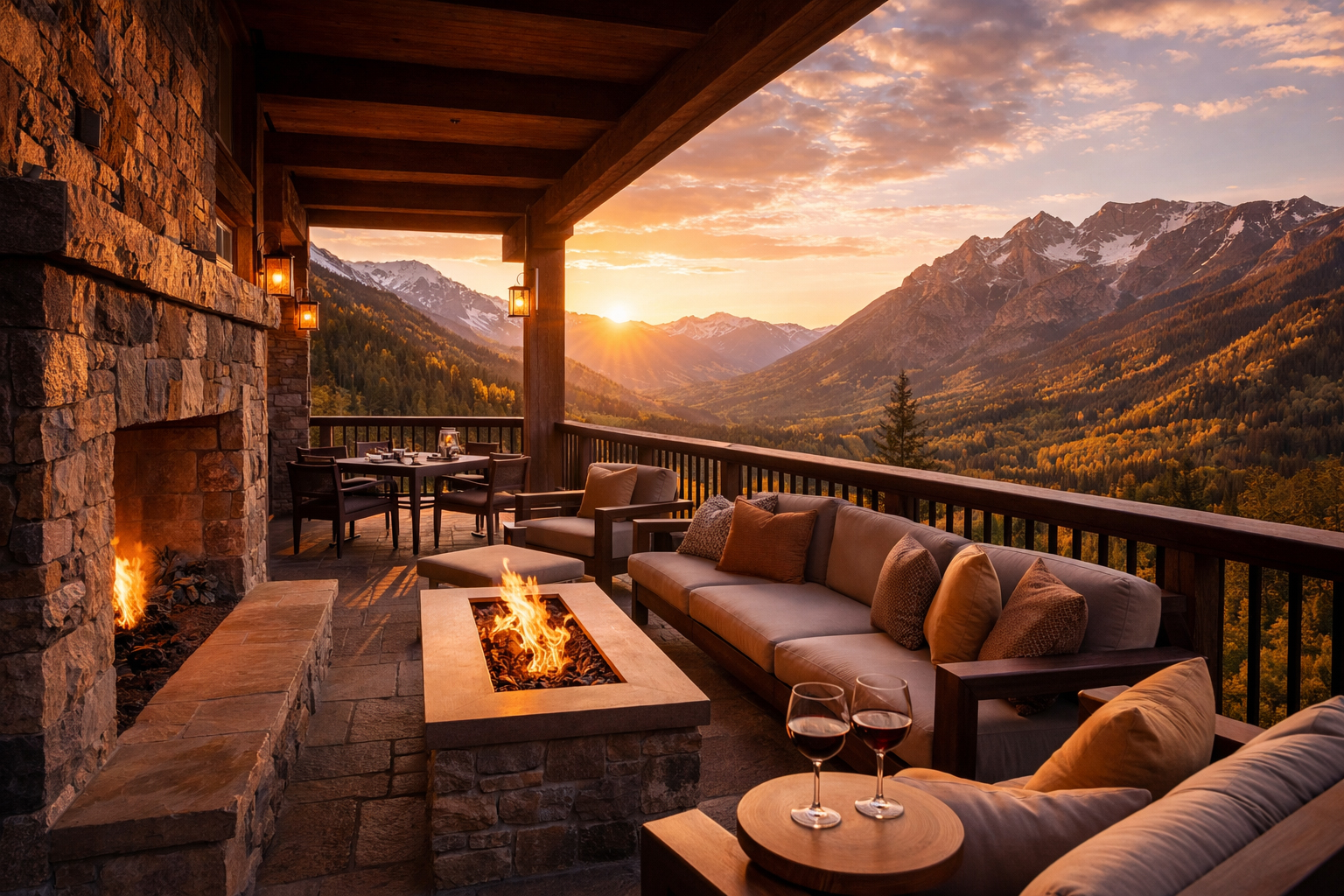
These places matter because they keep Boulder from becoming too abstract. The city’s restorative reputation is not only an idea. It has rooms, porches, bars, tea tables, patios, and trails that translate the idea into lived experience.
A restorative place must eventually become practical. It must know where you will sleep, where you will sit, what you will drink, and how the day will end.
What Boulder is really healing
The city’s deepest restorative gift may be that it eases a specifically modern damage: fragmentation.
So much contemporary life feels split. Work over here. Health over there. Beauty as a weekend reward. Thought as a professional duty. Movement as an obligation. Rest as a corrective measure after the fact. Boulder proposes something more integrated. It suggests that a life can be built in which air, movement, conversation, public space, thought, appetite, and mountain proximity reinforce one another instead of competing.
This is, of course, an ideal as much as a reality. Boulder is not perfect. It can be expensive, self-satisfied, over-curated, and too impressed with some of its own virtues. But the city still deserves credit for keeping the ideal visible. Many places speak the language of balance. Boulder, more than most, gives it a convincing stage.
That is why the city feels restorative in a deeper sense. Not because it eliminates difficulty, but because it arranges the day so that difficulty does not seem to own everything. The mountain remains nearby. The streets remain usable. The light remains clean. The tea arrives. The walk still fits in before dinner. A person begins to suspect that life can be lived with slightly better alignment than the rest of the century has led them to expect.
And that, finally, is why Boulder restores people. It does not promise escape from reality. It offers a more coherent version of it.