Some mountain towns remain proudly rough. Aspen did something rarer. It refined itself without forgetting why the mountains mattered in the first place.
That is what makes Aspen so interesting. The easiest reading of the town is the shallow one: money, fashion, winter sunlight, terraces, reservations, second homes, expensive coats, famous visitors, beautiful rooms. None of that is false. But none of it is sufficient either. The deeper truth is that Aspen works because polish here was forced to grow in relation to altitude. The mountain never disappeared. The weather never stopped mattering. Appetite remained physical. Roads still had consequences. The light still judged everything.
This is why Aspen feels different from luxury that could happen anywhere. The town’s elegance has pressure behind it. It was shaped by silver, by isolation, by winter, by reinvention, by the peculiar western condition of building a serious social world in a place where the landscape keeps reminding everyone who arrived first.
Aspen is persuasive because it did not defeat the mountain. It learned manners beside it.
That may be the most accurate way to understand the town. Aspen did not become civilized by escaping its frontier inheritance. It became civilized by absorbing it. The mining past remains in the bones of the place. The old western appetite for risk and arrival remains in the culture. But now those instincts appear in subtler forms: a room with perfect service, a lunch that feels like theater, a hotel that knows how to balance history with art, a street that can hold glamour without entirely losing its mountain-town shape.
The old mining town beneath the polish
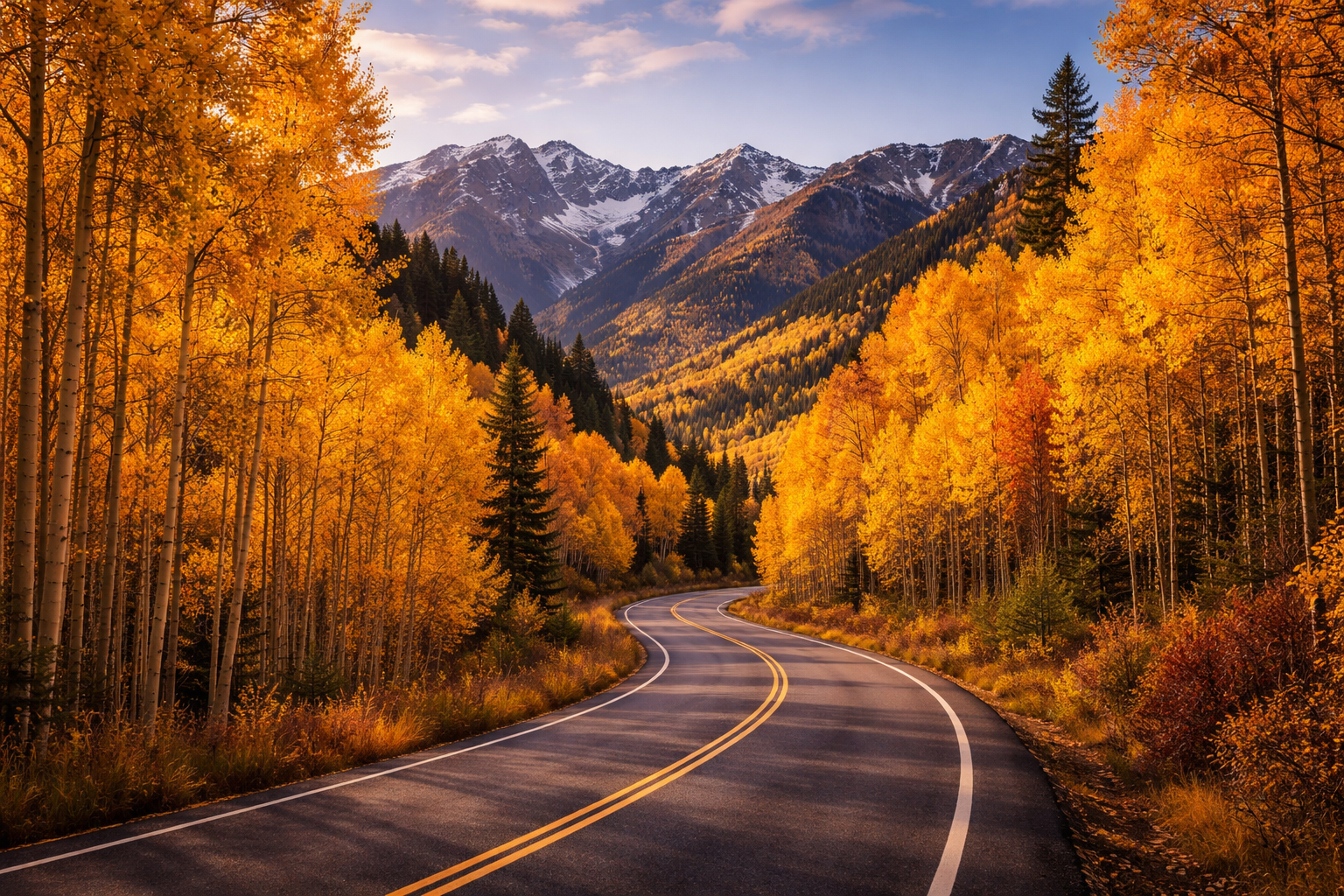
Aspen’s strongest elegance comes from the fact that it was not born elegant. It had to become so. The silver years gave the town ambition early, then the collapse of silver gave it memory. That memory still matters. It is part of why Aspen resists feeling like a synthetic resort built from scratch for comfort alone. The town carries layers. It remembers boom, loss, reinvention, and the long work of becoming desirable again under new terms.
Hotel Jerome expresses this beautifully. It is one of those western hotels where history has not been left behind as decoration. It remains active in the atmosphere of the place. The building holds onto old Aspen while accommodating the newer social confidence of the town. J-Bar inside it carries some of that same inheritance forward in more casual form: part watering hole, part living relic, part ongoing scene.
This matters because Aspen needs rooms that remember before it can fully enjoy rooms that dazzle. Without the historical ballast of places like Hotel Jerome, the town would risk floating upward into generic wealth. With it, Aspen keeps texture.
The best Aspen rooms do not pretend history is over. They let history stay in the corner, well dressed, still watching.
How the town learned to host
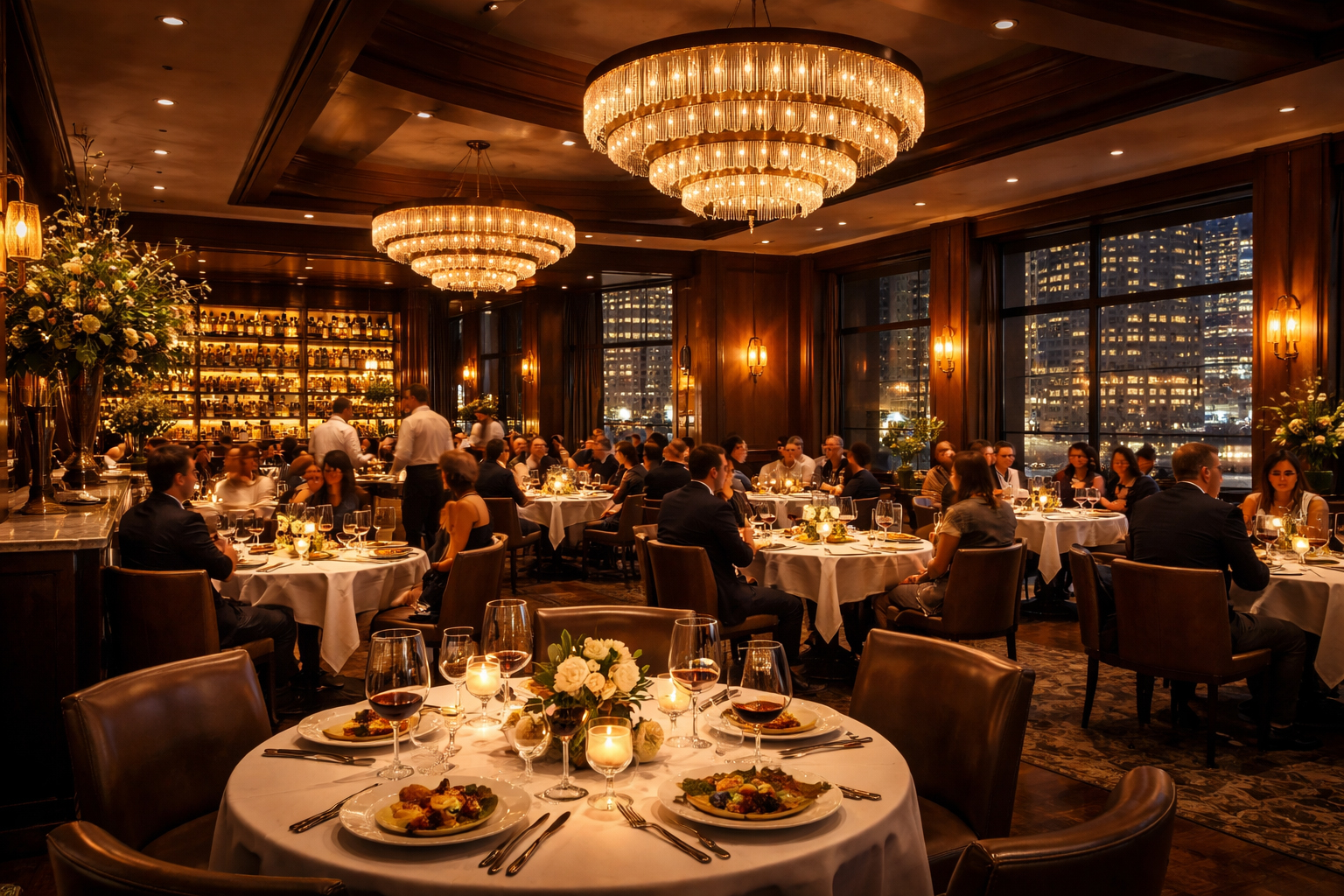
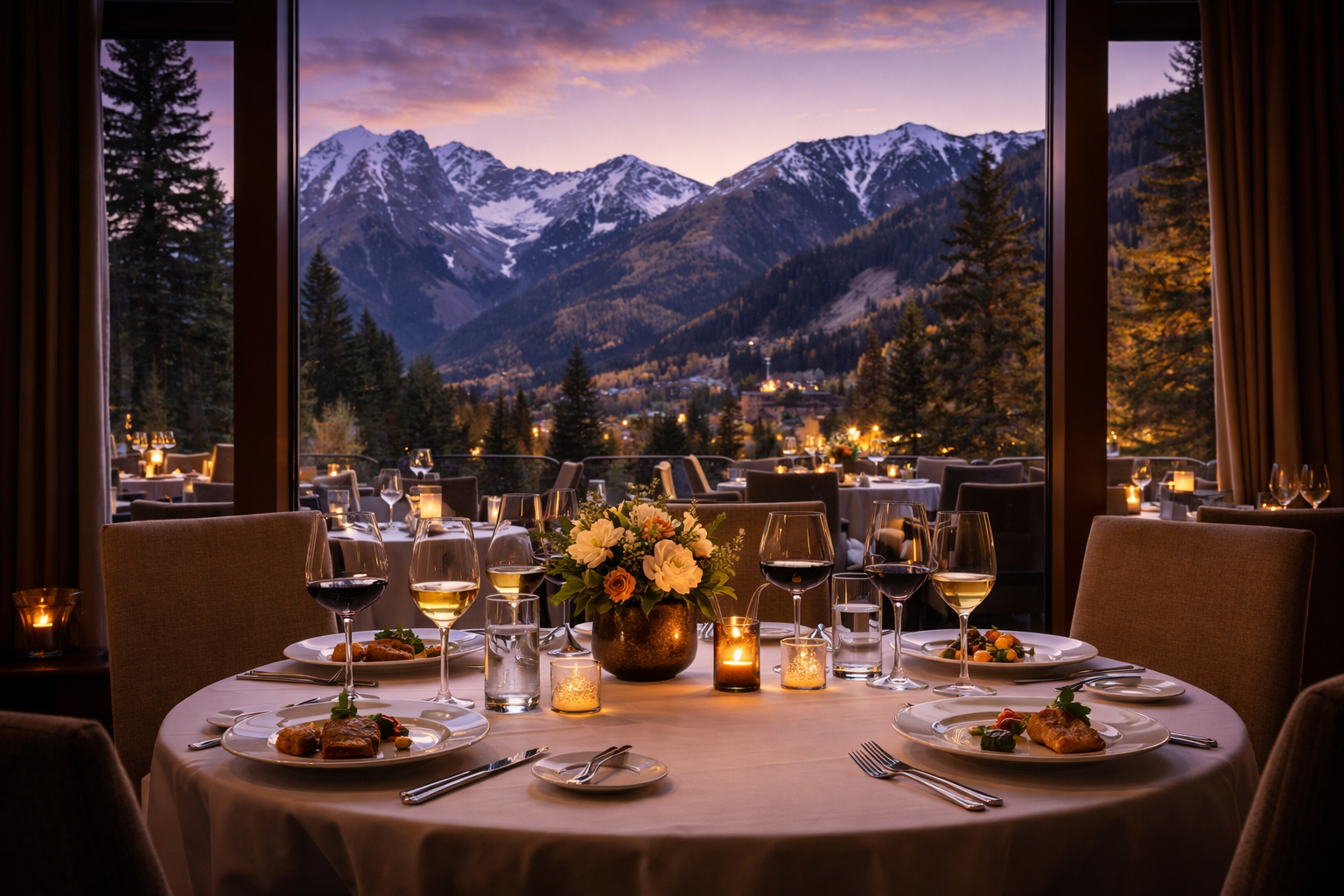
Aspen may be most legible at table. Not simply because it has good restaurants, though it does, but because dining reveals the whole local arrangement of appetite, theater, and setting. Ajax Tavern at the base of Aspen Mountain understands lunch as one of the town’s most public arts. Element 47 inside The Little Nell understands composed dining as part of the hotel’s larger claim on mountain luxury. The Wine Bar at The Little Nell understands intimacy after the slope. Betula understands the contemporary social perch. J-Bar understands continuity. Together they make Aspen’s food culture feel less like a random collection of desirable addresses and more like a grammar.
The grammar is simple: the room matters, but the mountain still matters more. A terrace is good because the weather remains in play. A dining room is beautiful because the appetite arrived honestly. A bar feels alive because the town still knows how to move from slope to street to stool without losing the day’s momentum.
This is why Aspen’s social life is more convincing than mere resort gloss. It is not just about spending. It is about sequence. Coffee, road, gondola, lunch, walk, cocktail, dinner, evening cold. The mountain participates in every stage. The town has learned not to interrupt that sequence, only to refine it.
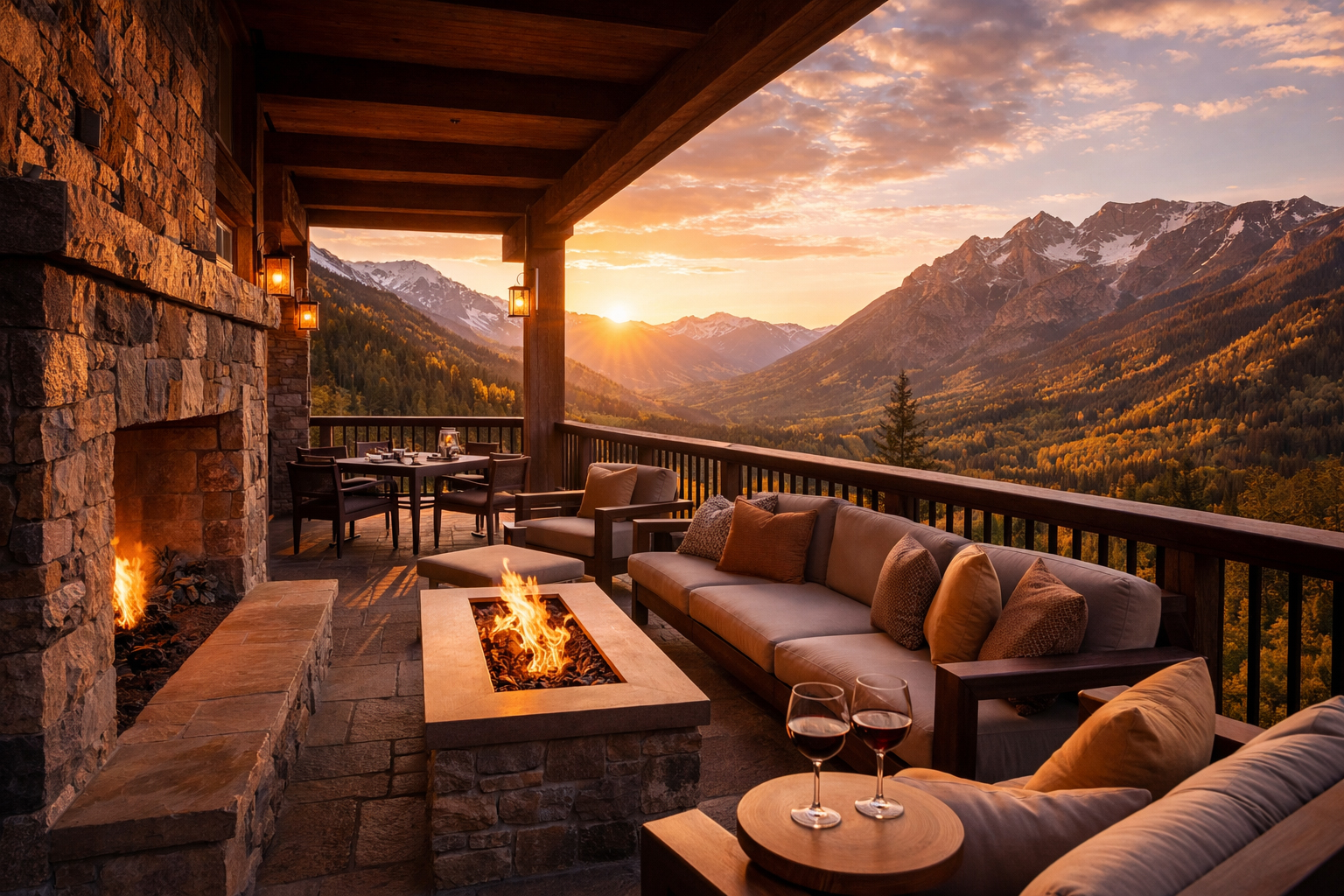
The Little Nell and the logic of mountain luxury
If one address explains Aspen’s modern logic most clearly, it may be The Little Nell. Its position at the base of Aspen Mountain is not just convenient. It is interpretive. The hotel’s entire identity depends on proximity — to the slope, to the gondola, to the rhythm of the town, to the long idea that Aspen’s refinement should still feel tethered to exertion and weather rather than sealed off from them.
This is why The Little Nell matters beyond standard hospitality ranking. It gives Aspen one of its cleanest statements of intent. Luxury here should not erase altitude. It should host beside it. The hotel’s dining rooms and bars do exactly that. They create polish without flattening the day into generic softness.
Aspen Collection Café, smaller and simpler, makes the same argument in abbreviated form. A proper mountain town must know how to start a day well. Coffee matters. The first ritual matters. In a place as self-aware as Aspen, even the casual address must feel placed correctly.
A refined mountain town is not built only from its grandest rooms. It is built from the right rituals at the right scale.
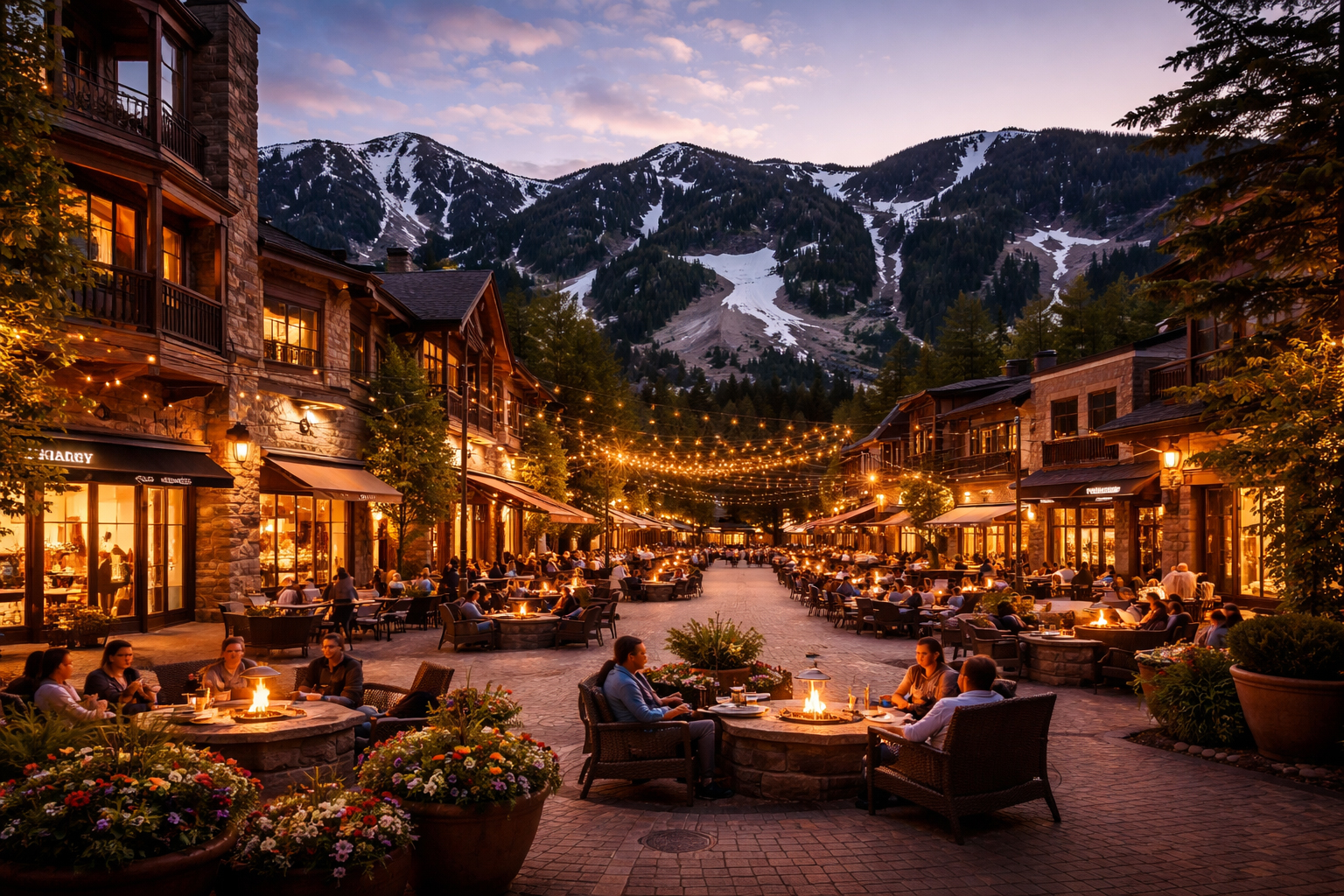
Why Aspen matters to Colorado
It would be easy to resent Aspen, and many people do. Easy to dismiss it as excessive, curated, expensive, or too aware of its own desirability. There is truth somewhere in all of those complaints. But dismissing Aspen entirely means missing something important about Colorado.
Aspen proves that refinement in this state does not have to arrive by denying the land. It can arrive by negotiating with it. The town is one of Colorado’s strongest examples of how the old western instinct toward ambition can evolve into a highly social, highly aesthetic, and still oddly grounded public life.
Denver gives Colorado a civic face. Boulder gives it a thoughtful one. Rocky Mountain National Park gives it a voice beyond argument. Aspen gives the state one of its most sophisticated identities: the place where altitude learned polish and somehow remained believable.
That is what makes Aspen worth taking seriously. Not because it is exclusive, but because it is expressive. It tells the truth about one possible Colorado future: elegant, expensive, socially vivid, highly self-aware, but still answerable to weather, light, roads, and the cold physical mountain just outside the frame.
In Aspen, polish became credible because it never quite forgot how high up it was.